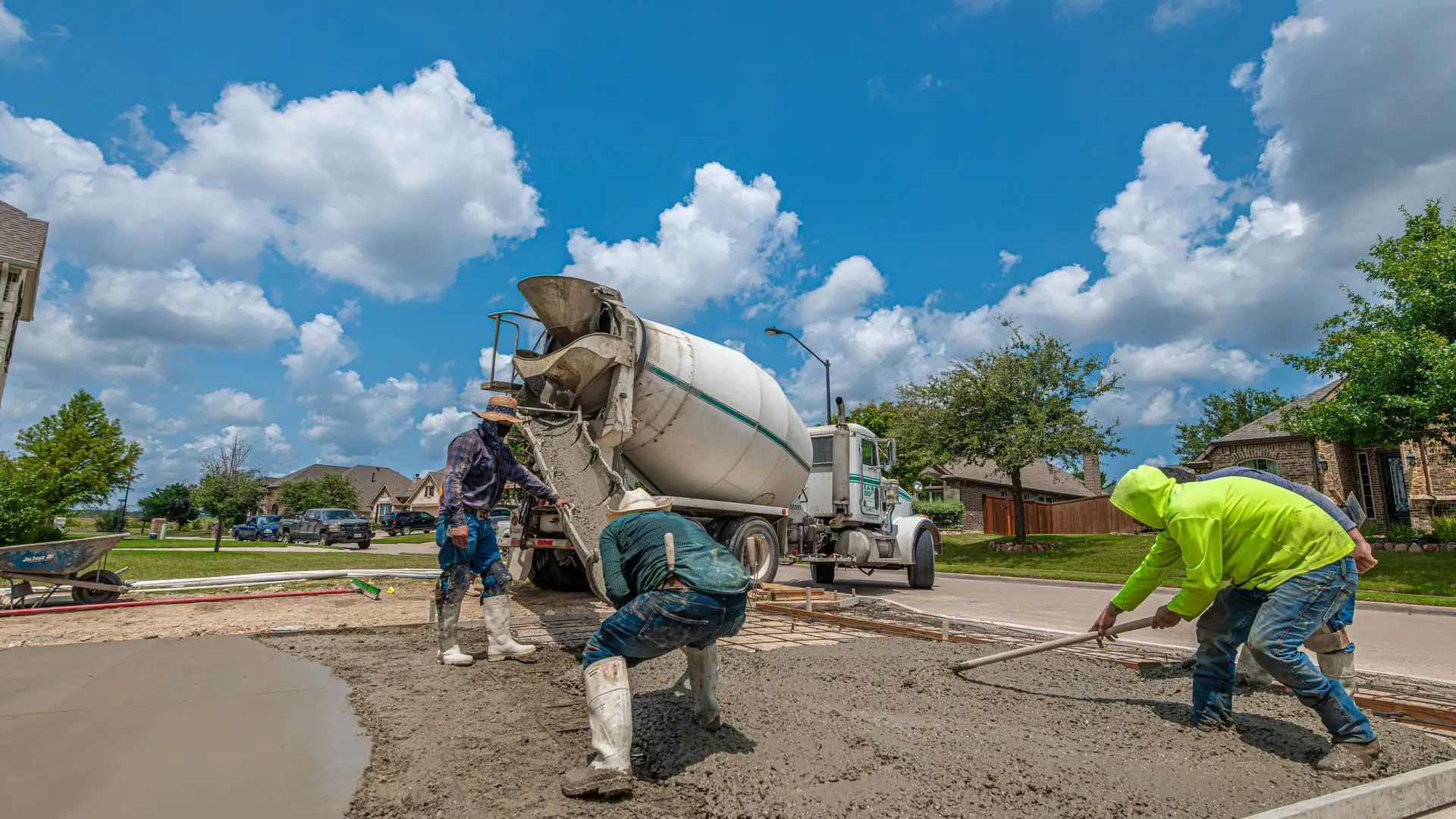
Cedar Hill, TX Concrete Contractor
Concrete Contractors in Cedar Hill, TX
Driveways, patios, stamped concrete, foundations, and repairs, poured by a local crew that builds for Cedar Hill's sloped lots and Blackland clay.
- Free on-site estimates, itemized in writing
- Residential and commercial concrete
- Serving Cedar Hill and the Best Southwest
Request a Free Estimate
Tell us about your project. We usually call back the same day.
About Cedar Hill Concrete
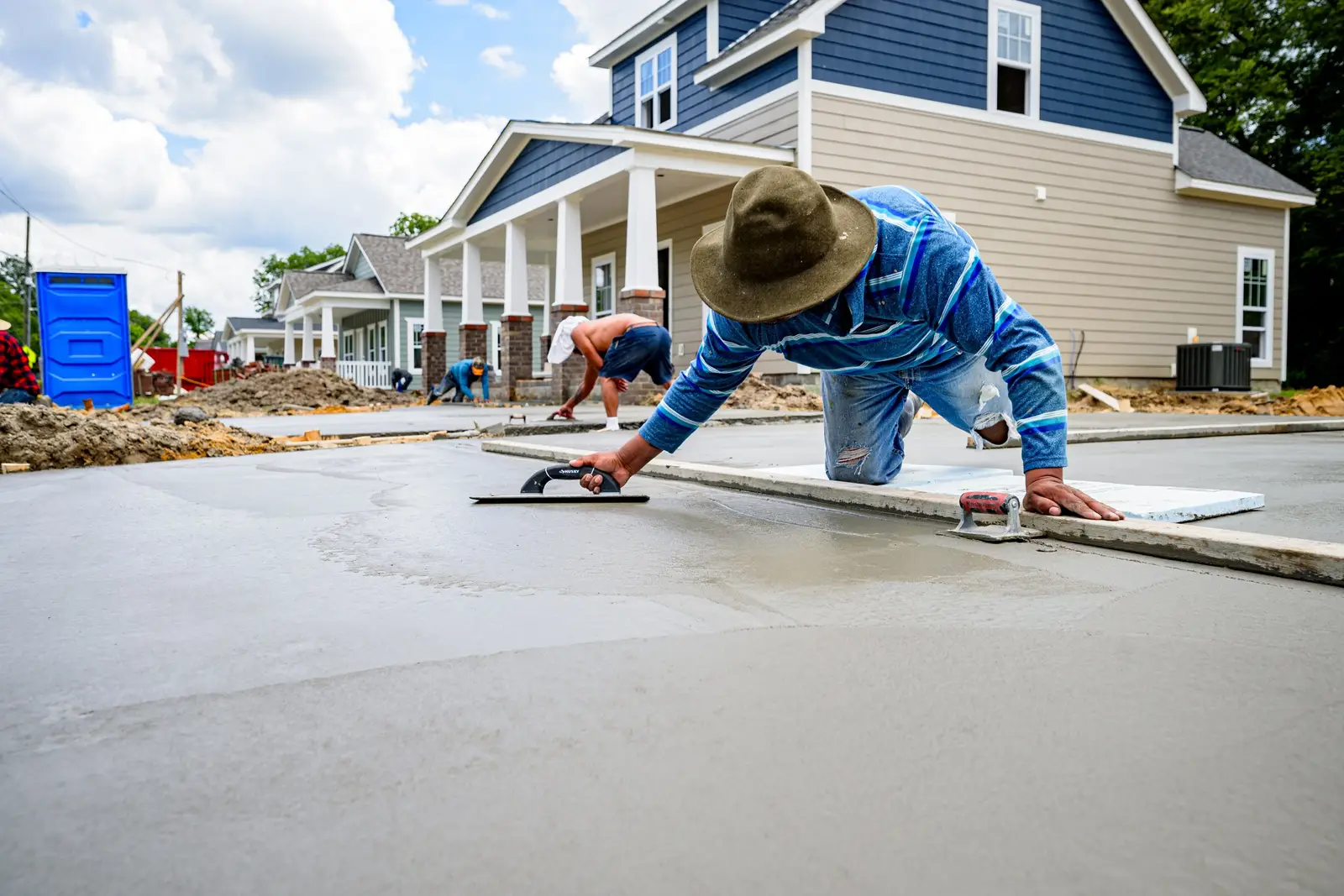
Concrete that holds up on Cedar Hill ground
Most concrete that fails here fails because of what is underneath it. Cedar Hill climbs the White Rock Escarpment, lots have grade, and the soil shifts between Austin Chalk limestone and expansive Blackland clay that swells when wet and shrinks in drought.
That is why every job starts with the ground. We set the grade so water runs away from your house, compact a proper base, place the right reinforcement, and cut control joints where the slab needs them. From a new driveway off US-67 to a patio backing onto the greenbelt near Cedar Hill State Park, the work is built to last through Texas summers and wet springs.
- Driveways and patios
- Stamped and decorative
- Slabs and foundations
- Repair and leveling
Our Services
Concrete services in Cedar Hill, TX
Residential and commercial concrete, from everyday flatwork to decorative finishes that dress up the front of the house.
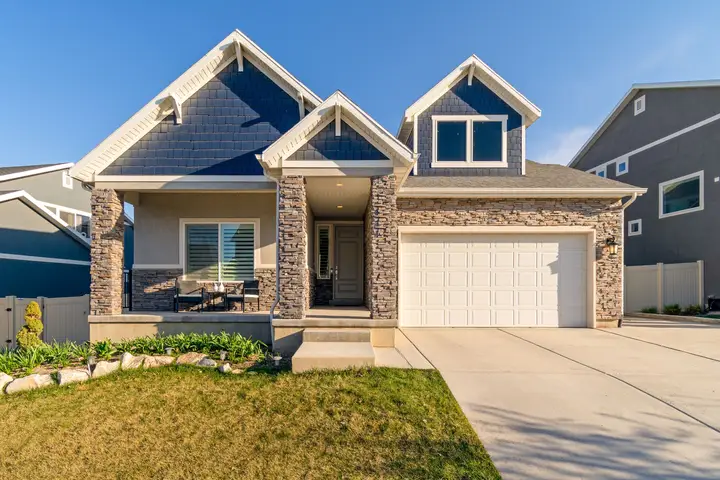 Concrete Driveways New driveways, replacements, and extensions poured for daily traffic. Learn more →
  Concrete Patios Backyard patios sized for how you live outside. Learn more →
 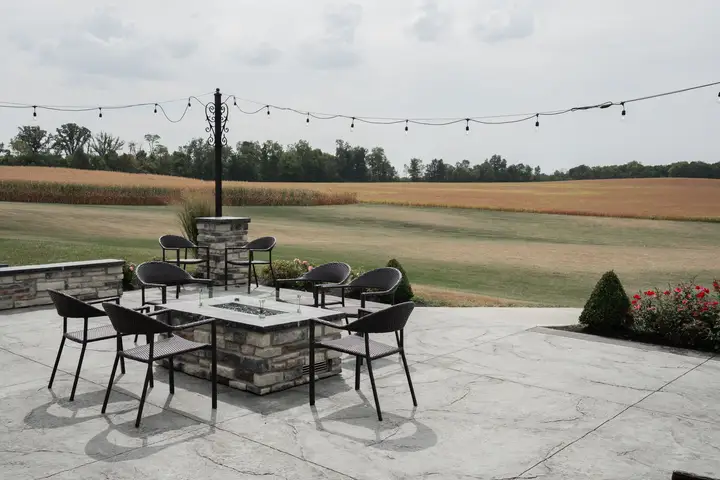 Stamped Concrete The look of stone, slate, or brick in one solid pour. Learn more →
 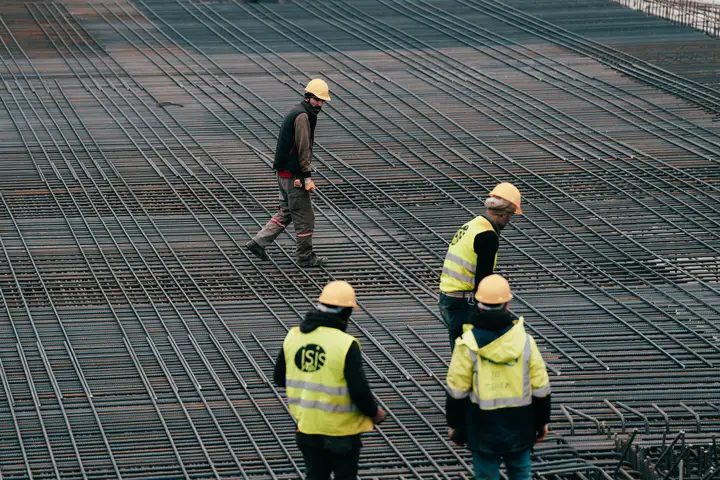 Foundation Services Slabs for additions, garages, shops, and outbuildings. Learn more →
 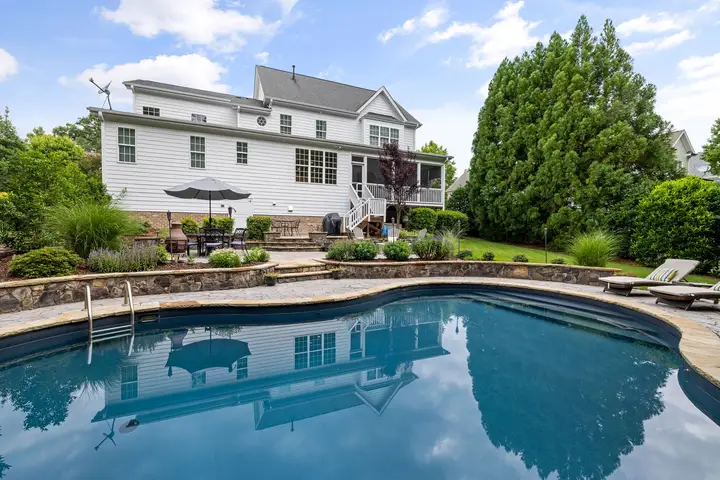 Concrete Pool Decks Cool, slip-resistant decks that drain away from the pool. Learn more →
 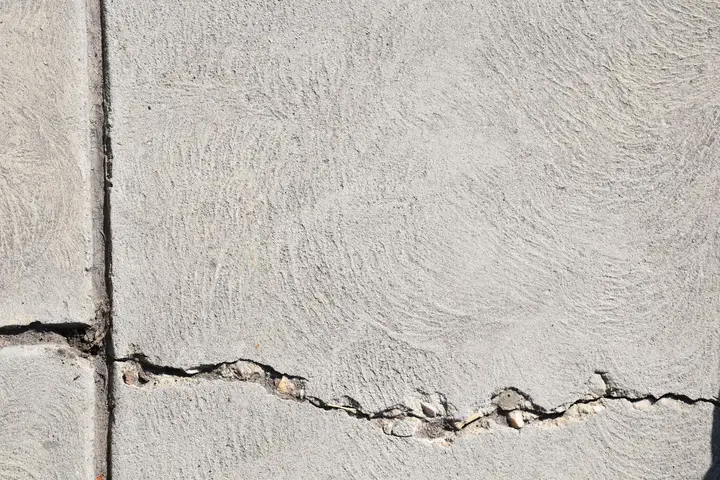 Concrete Repairs Crack repair, leveling, and resurfacing that lasts. Learn more →
  Retaining Walls Walls that hold sloped Cedar Hill lots in place. Learn more →
 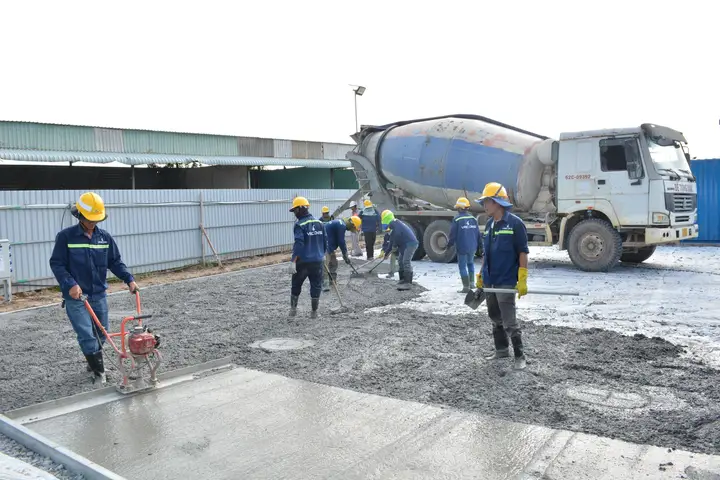 Commercial Concrete Flatwork, parking areas, and sidewalks for businesses. Learn more →
 Why homeowners call us
Done right the first time, on our soil
A slab is only as good as the prep under it. Here is what you get on every Cedar Hill Concrete job.
Schedule Your Free EstimateWe build for the ground first
Cedar Hill sits on the White Rock Escarpment with shifting Blackland clay. We read the slope, compact a real base, and drain the slab before any concrete goes in.
Written, itemized estimates
You see prep, base, reinforcement, and finish line by line. No surprise charges on pour day.
The right thickness and steel
Four inches for cars, six for RVs and trucks, with rebar or mesh and control joints spaced for our soil.
Clean sites and clear timelines
We protect your lawn and property, clean up every day, and tell you exactly when you can walk and park on the new concrete.
What we pour
Concrete for every part of your property
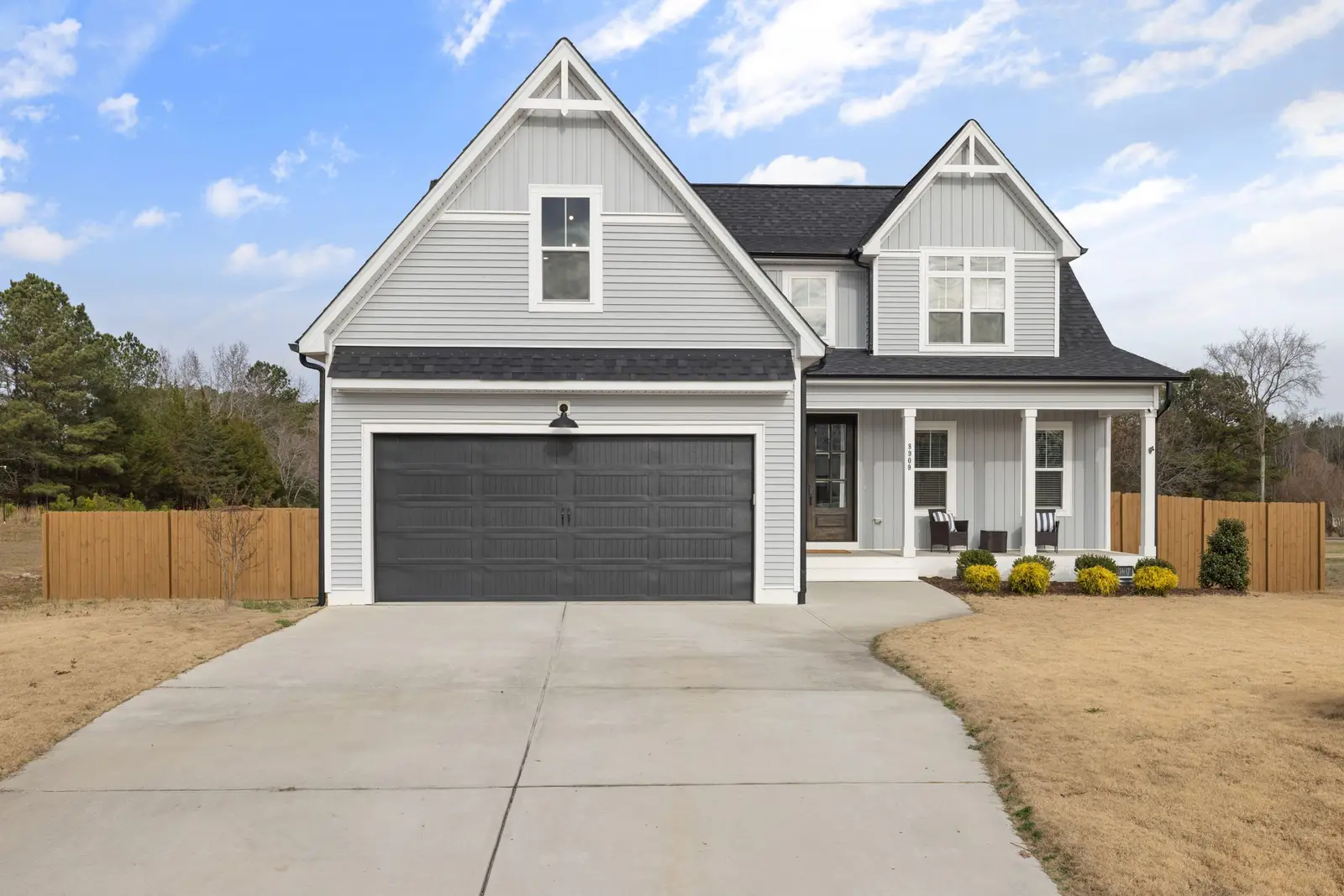
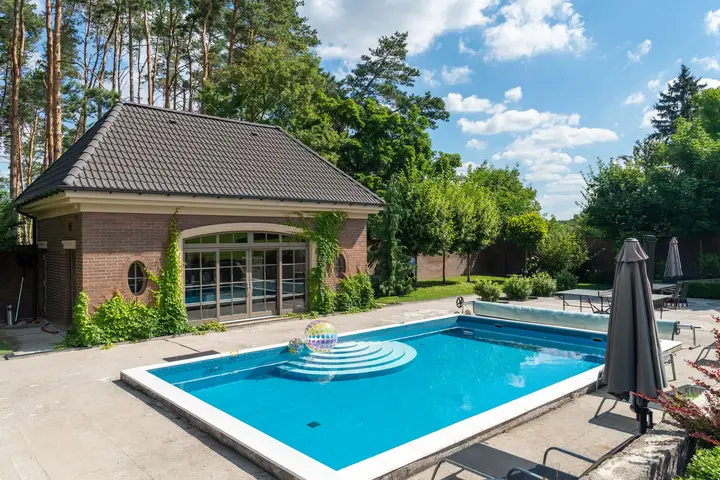
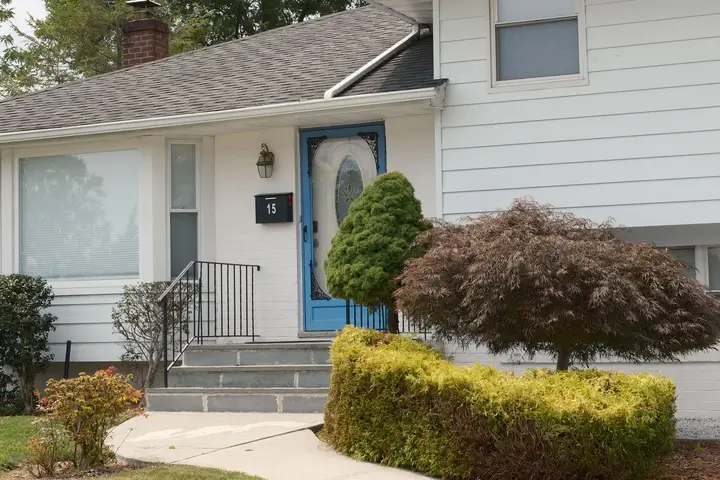
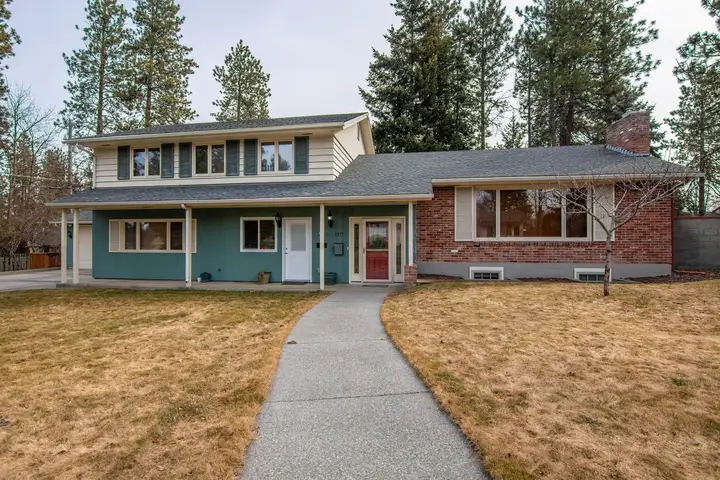
How it works
From first call to finished slab
- 01
Walk the site and grade
Our crew comes out, measures the area, and reads the lot. On Cedar Hill's sloped escarpment sites that means checking fall, drainage, and where water wants to run before any forms go in. You get an itemized estimate that breaks down prep, materials, and finish with no surprises.
- 02
Prep, base, and forms
Old concrete gets removed, the subgrade is excavated to depth, and a compacted base goes down over the Blackland clay. Forms are set true to the grade so the slab sheds water away from the house instead of pooling against the foundation.
- 03
Pour, reinforce, and finish
The mix is placed over rebar or wire mesh, screeded, and floated. Control joints are tooled at the right spacing for our soil so the slab cracks where it should, not where you can see it. Then the finish goes on: broom, smooth trowel, exposed aggregate, or a stamped pattern.
- 04
Cure and clean up
Fresh concrete is cured slowly so it reaches full strength instead of drying too fast in the Texas sun. The crew strips the forms, cleans the site, and walks the finished work with you. You know when it is safe for foot traffic and when it can take a vehicle.
Pricing
What concrete costs in Cedar Hill
Every job gets a firm, written price after a free on-site visit. These 2026 ranges help you plan before you call.
| Type of work | Typical installed range |
|---|---|
| Broom-finish flatwork, 4 in | $6 to $10 / sq ft |
| Exposed aggregate | $9 to $14 / sq ft |
| Stamped or colored | $12 to $20 / sq ft |
| Resurfacing overlay | $4 to $9 / sq ft |
| Sealing | $1 to $3 / sq ft |
| Tear-out and haul-off | add $1 to $4 / sq ft |
Concrete cost calculator
Enter your size, finish, and thickness. Get a price range and cubic yards in seconds, then send it to us for a firm quote.
Open the Calculator Read the driveway cost guide →Service area
Proudly serving Cedar Hill and nearby cities
Cedar Hill is home base. We pour across the Best Southwest and the cities around Joe Pool Lake.
- Cedar Hill, TX
- Arlington, TX
- Dallas, TX
- DeSoto, TX
- Duncanville, TX
- Grand Prairie, TX
- Irving, TX
- Lancaster, TX
- Mansfield, TX
- Midlothian, TX
FAQ
Cedar Hill concrete questions, answered
Still have a question? Call and talk it through with us.
Call (469) 402-4525How much does concrete cost in Cedar Hill, TX?
Most residential concrete in Cedar Hill runs about 6 to 14 dollars per square foot for standard gray flatwork, and 12 to 22 dollars per square foot once you add stamping, coloring, or a decorative finish. The slab thickness, the amount of prep and tear-out, and access to the pour area move the number more than anything else. The honest way to price a job is an on-site look, so call (469) 402-4525 and describe what you have in mind.
How thick should a concrete driveway be on our soil?
Four inches is standard for cars and light trucks, and six inches is the call if you park an RV, a trailer, or heavy work vehicles. On Cedar Hill's expansive Blackland clay, the base prep and the joint layout matter as much as the thickness. A properly compacted base and correct control-joint spacing are what keep a slab from heaving and cracking when the clay swells and shrinks.
How long before I can use new concrete?
You can usually walk on a new slab after 24 to 48 hours. Wait about 7 days before driving a car on a new driveway, and closer to 28 days before parking anything heavy. Concrete keeps gaining strength for weeks after the pour, so the cure window is not the time to rush it.
What is the best time of year to pour concrete here?
Spring and fall are ideal because the moderate temperatures help concrete cure evenly. Concrete still pours fine through a North Texas summer, the crew just places it earlier in the day and cures it carefully so the heat does not pull moisture out too fast. Hard winter freezes are the main thing to schedule around.
Do you handle both residential and commercial concrete?
Yes. Our crews pour residential driveways, patios, and slabs, and they take on commercial flatwork, parking areas, sidewalks, and building pads. Tell us the scope when you call and we will schedule the right crew and equipment for the size of the job.
Which areas around Cedar Hill do you serve?
Cedar Hill and the Best Southwest cities are home base: DeSoto, Duncanville, and Lancaster. Coverage also reaches Midlothian, Mansfield, Grand Prairie, Arlington, Irving, and into Dallas. If you are near Cedar Hill and do not see your town, call and ask.
Free estimates
Ready for a free concrete estimate?
Call or send a request and we will set up a free on-site visit. You get a written, itemized estimate with no pressure. Open 7 days, 7am to 8pm.