Concrete in Dallas, TX
Concrete work built for Dallas
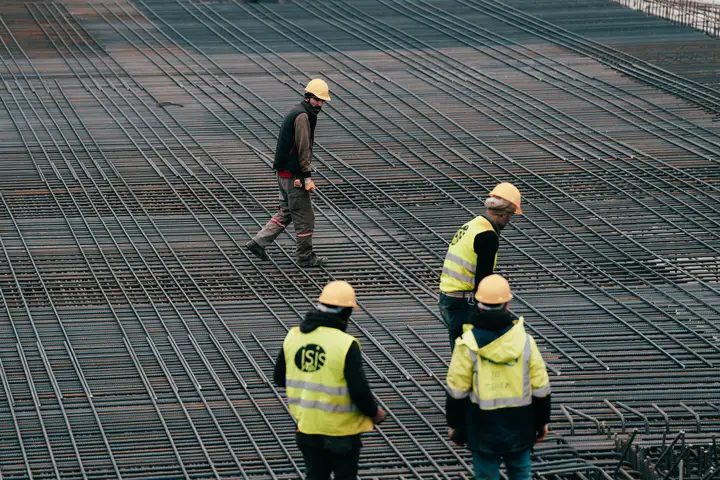
Dallas neighborhoods from Oak Cliff and the areas near the Trinity to the established streets across the south side carry a lot of older concrete that has reached the end of its life. Replacement driveways, resurfaced patios, repaired walkways, and new slabs for additions are steady work, all built on a properly prepared base so the new concrete outlasts the old.
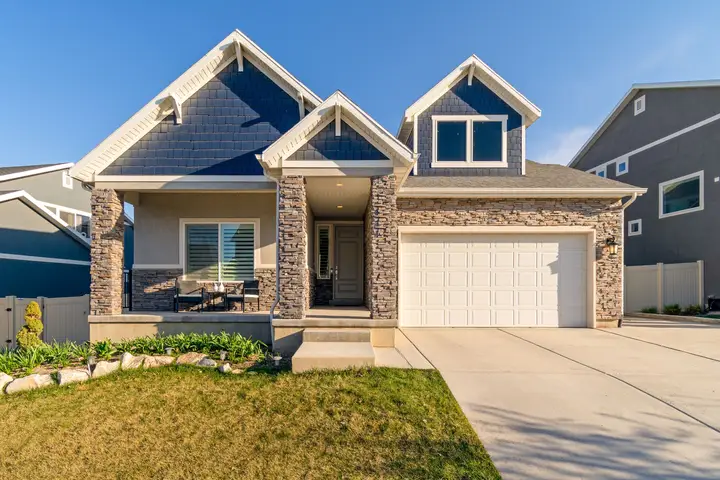
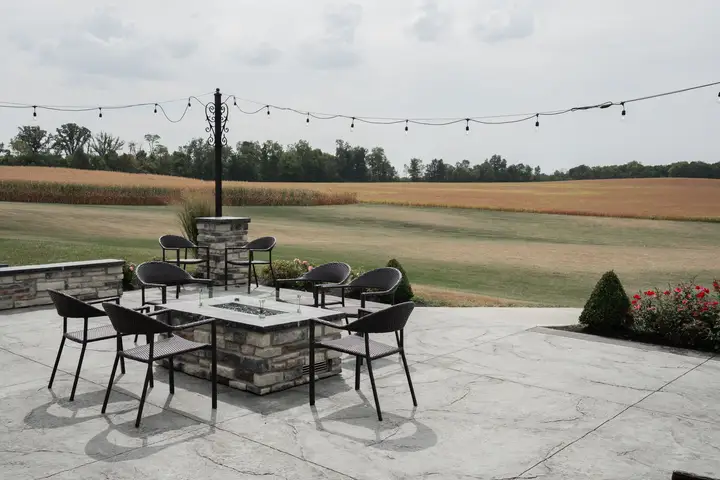
Decorative and stamped finishes are popular for Dallas patios and entries, picking up the brick and stone of the home. Call and describe the project, and our crew will give you an itemized estimate after seeing the site.
Southern Dallas is the closest part of the big city to Cedar Hill, a short run up US-67 or I-35E. The ground there changes quickly. Oak Cliff and the hills around Kessler Park and Kiest Park rise on chalk and shale bluffs above the river, while land near the Trinity River levees is flat, low, and full of heavy clay. Both settings move concrete, just in different ways, and Loop 12 cuts right across that transition.
Many homes in Oak Cliff and other older sections date to the 1920s through the 1950s, and a good number sit on pier-and-beam foundations with original or patched concrete around them. Ribbon driveways, narrow front walks, and steps up from the street are common. Owners often want to replace those with a full driveway, rebuild crumbling steps, or add a back patio, while keeping a look that suits a brick bungalow or Tudor.
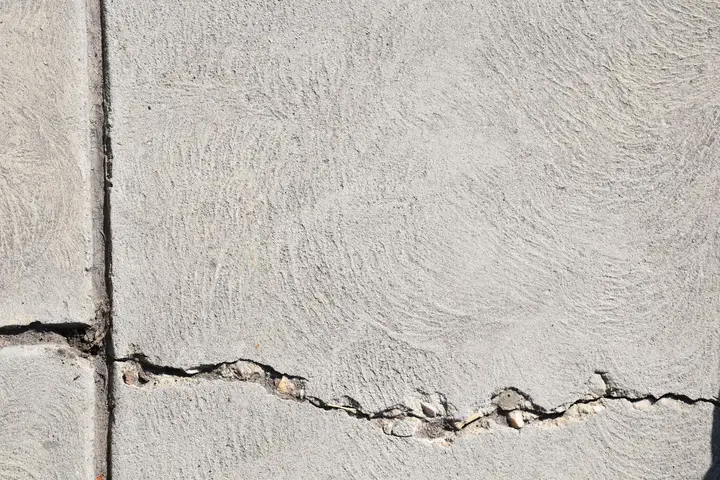
Not every crack calls for tear-out. A good concrete contractor in Dallas, TX should tell you when concrete repair makes more sense, such as sealing hairline cracks or replacing a single sunken panel rather than the whole slab. Wide cracks that keep growing, panels that tilt toward the house, or steps pulling away from the porch point to soil movement underneath, and those usually need the base rebuilt.
Here is what to sort out first. The City of Dallas has its own permit process for driveway approaches and work in the public right-of-way, so check before you widen a curb cut. Some older neighborhoods are historic or conservation districts with rules about front yard changes, so ask whether your street falls in one. Mature trees line many of these streets too, and roots near a new slab may need a plan before the pour. Root barriers, a slight change in the slab layout, or careful trimming by an arborist can protect both the tree and the new concrete. Settle that question early, because it can change the footprint and the estimate.
Neighborhoods we serve in Dallas
- Oak Cliff
- Pleasant Grove
- south Dallas
- the Trinity corridor