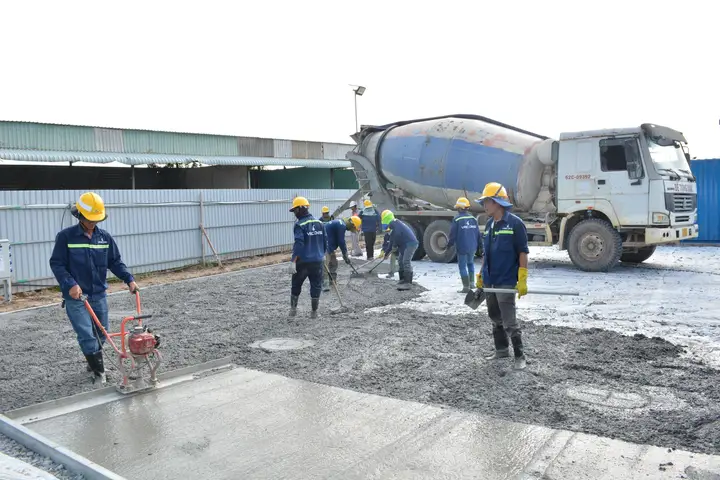
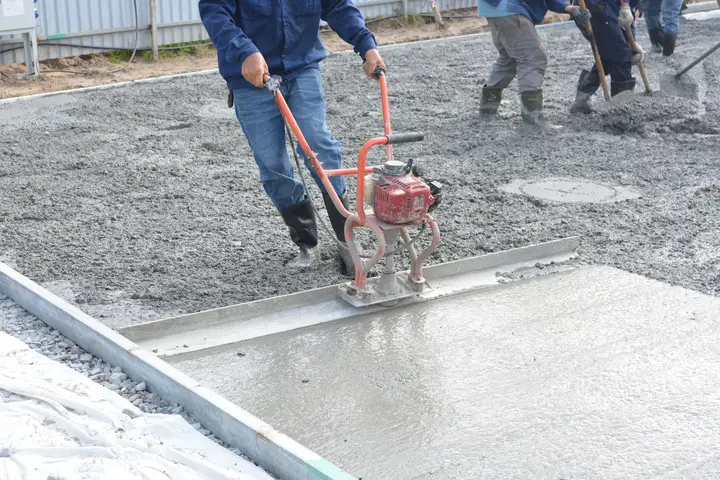
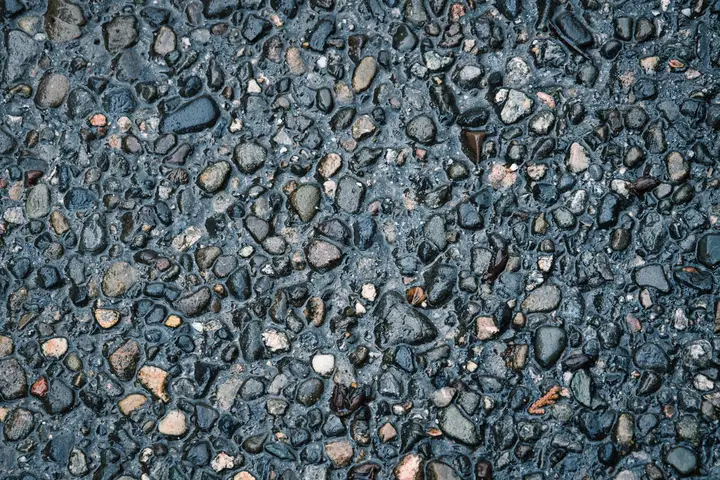
Our crew paves new lots, replaces failed sections, and expands existing lots for retail centers, churches, offices, and small businesses along US-67 and FM-1382. Concrete costs more up front than asphalt, but it lasts longer and needs far less upkeep in Texas heat.
Concrete versus asphalt for a Cedar Hill lot
Here is why many owners in the Best Southwest pick concrete. Asphalt softens in a 100 degree August, ruts under parked trucks, and needs sealcoating every few years. Concrete stays hard in the heat, reflects light so the lot runs cooler and brighter at night, and can go decades with joint sealing and spot repairs.
Asphalt wins on first cost and on how fast it opens. It is also easier to patch in small spots. If your budget is tight or the lot is temporary, it can make sense. For a property you plan to hold, concrete usually comes out ahead over the life of the lot. Our crew can price both options so you can see the gap in real numbers for your site.
Thickness, base, and drainage
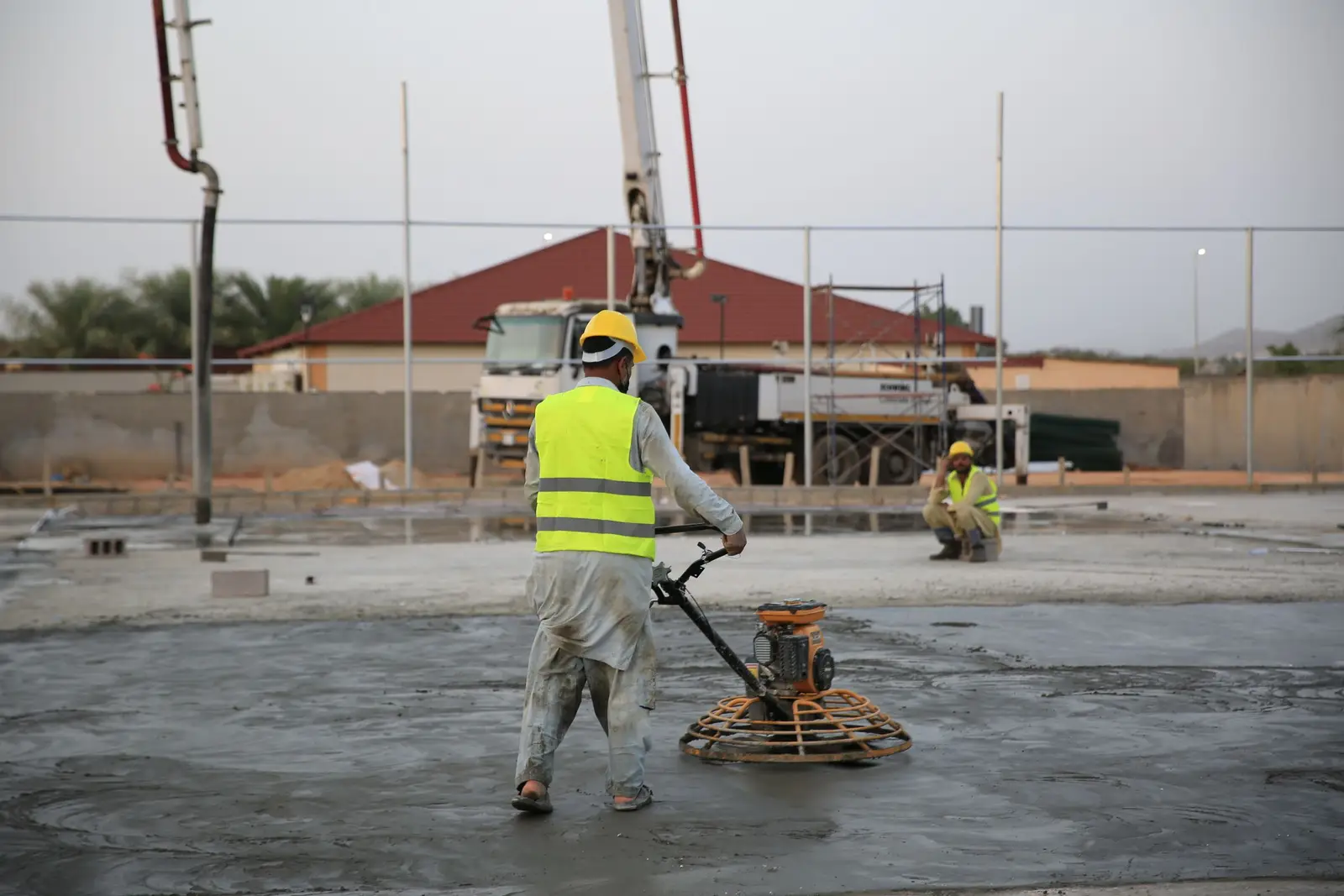
Car parking areas typically run five to six inches of concrete. Travel lanes, dumpster pads, and loading zones that take truck traffic step up to seven or eight inches with heavier reinforcement. The design should come from a civil engineer, and our crew builds to that plan.
Under it all, the base does the heavy lifting. On Blackland clay, that often means lime stabilizing the subgrade, then placing and compacting crushed base. Grades get set so water runs to inlets or curb cuts instead of ponding in the spaces. Commercial lots usually need city site plan review and permits, so check with the City of Cedar Hill early. Curbs, wheel stops, and sidewalk tie-ins get formed as part of the same job so the whole lot drains and flows as one.
Repairs, expansions, and phasing the work
Many lots do not need a full repave. The crew saw-cuts out failed panels, rebuilds the base under them, and pours new concrete doweled to the old. Joints get cleaned and resealed so water stops getting under the slab. That approach can add years to a lot for a fraction of replacement.
Next steps: walk the lot with the crew, map the failed areas, and plan the work in phases so the business stays open. Sections can be poured on weekends or after hours, with barricades and signs keeping customers on the open side. Churches often pour between Sunday services, and retail centers pick the slowest weekday mornings. Striping, wheel stops, and accessible spaces get laid out once the concrete cures. Clear signs and a firm schedule keep tenants, members, and customers in the loop the whole way.
Keeping a commercial lot in shape
A concrete lot needs a short checklist every year or two. Walk it after a heavy rain and note where water stands. Look for joints that have lost their sealant, panels with corner breaks, and spalls near dumpster pads where trucks turn. Catching these early keeps a small panel job from growing into a big one.
Restriping every few years keeps traffic flowing and the lot looking cared for. Accessible spaces, signs, and routes need to meet current rules, so the layout should be checked whenever sections are replaced. A clear sealer on high-traffic areas helps block oil and keeps the surface easier to clean. Good lighting and a clean, bright surface also make the lot feel safer after dark, which customers notice.
Businesses along US-67, FM-1382, and Belt Line Road see heavy use, and a rough lot sends customers elsewhere. Budget for steady upkeep, and plan bigger work in slow seasons. Our crew can walk the property, rank the repairs, and give you a phased price that fits your calendar.