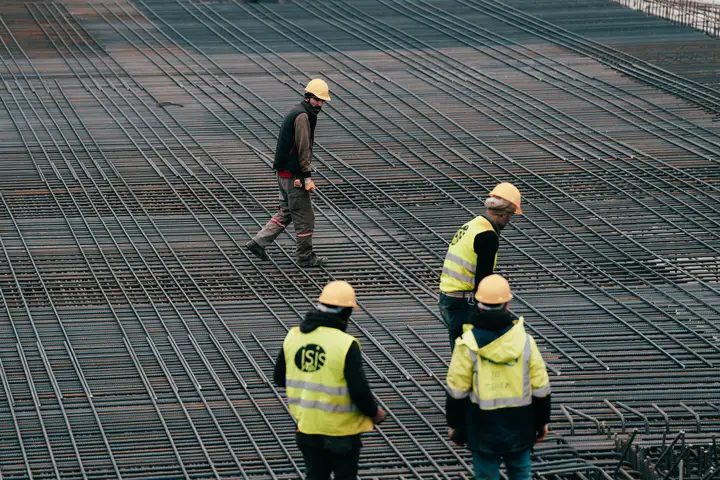
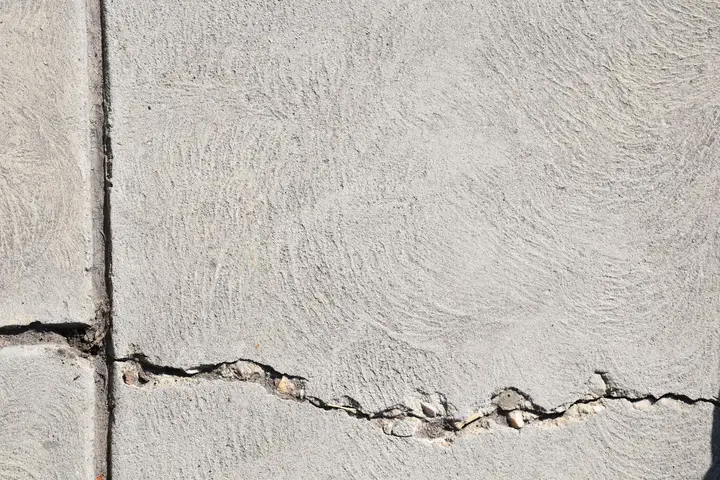
Our crew takes on commercial pours with the equipment and the scheduling discipline that larger jobs need, working around your hours so the lot or storefront stays usable.
Parking, flatwork, and building pads
Commercial slabs see far more load and traffic than a driveway, so the spec is heavier: thicker concrete, a stronger mix, more reinforcement, and a jointing plan that controls cracking across a big area. Parking areas, travel lanes, and loading docks are built to carry trucks and constant turning without rutting.
Sidewalks, entries, and ADA ramps are poured to code with the right slopes, detectable warnings, and finishes for safe footing. Dumpster pads and equipment pads take the abuse that asphalt cannot.
Built around your schedule
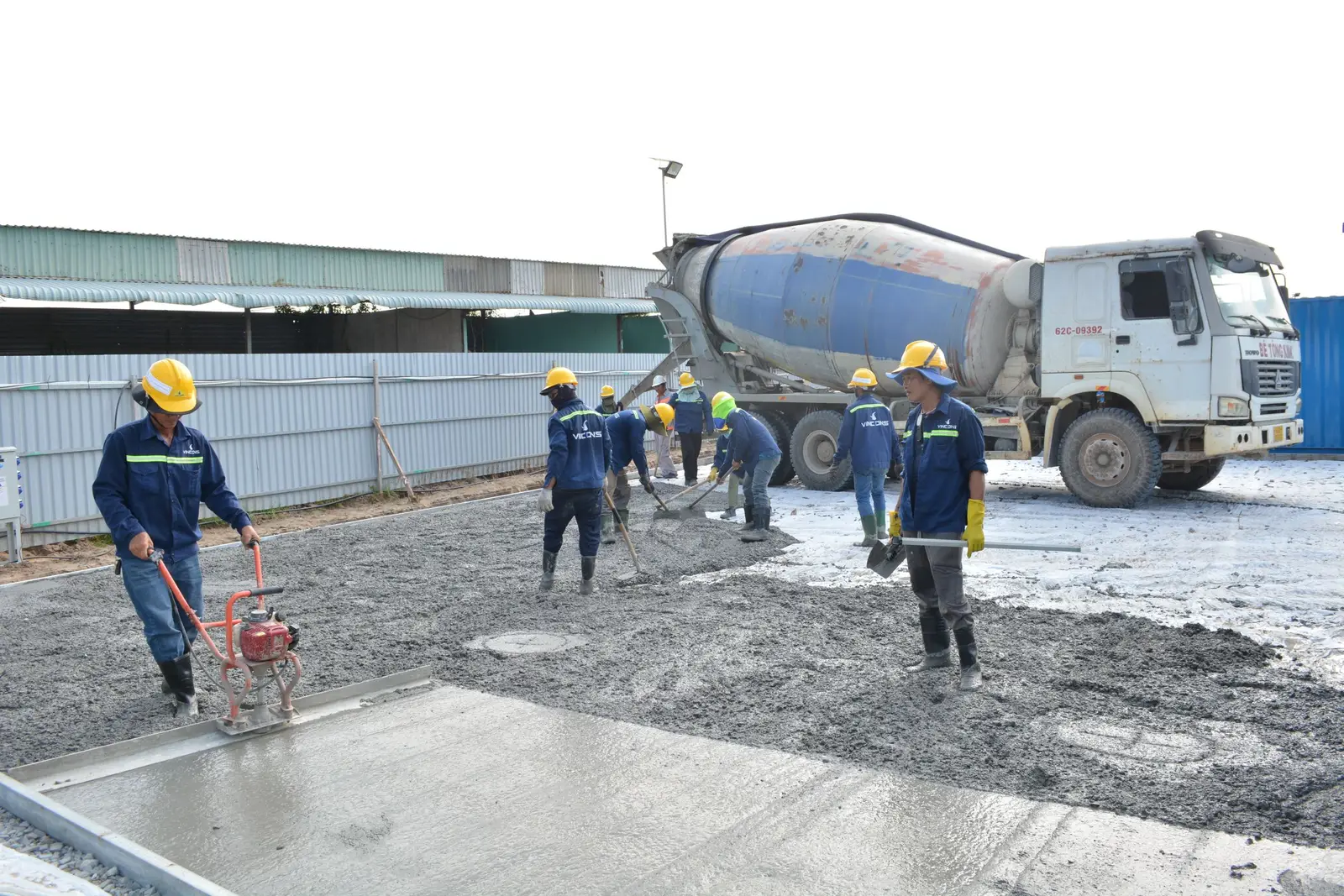
A closed lot is lost business, so commercial work is staged. The crew can pour in sections, work after hours or on weekends, and sequence the job so part of the lot stays open while another part cures. Clear timelines and an itemized scope keep the project predictable.
Cedar Hill's commercial corridors along US-67, Belt Line Road, and Uptown Village see steady traffic, and the work is planned so customers and deliveries keep moving.
Durability that lowers long-term cost
Concrete costs more than asphalt up front and far less over its life. It does not rut in the Texas heat, it handles heavy and turning loads, and a properly jointed and drained commercial slab can run decades with little more than joint maintenance and the occasional reseal.
Getting the base and drainage right is what protects that investment, the same principle as a residential slab, scaled up to the loads a business puts on it.
Codes, accessibility, and a clean handover
Commercial work in Cedar Hill comes with code and accessibility requirements that our crew builds to from the start: correct slopes and landings on ADA routes, detectable warning surfaces at curb ramps, and joint and reinforcement layouts that hold up under repeated truck and customer traffic. Building it right the first time avoids the costly rework of a failed inspection.
A clean handover matters as much as the pour. The crew keeps the active areas of your property safe and passable during the work, communicates the cure windows so you know when each section reopens, and leaves the site clean. The goal is concrete that serves the business for decades with minimal disruption while it goes in.
Phasing is where a commercial job is won or lost for the owner. The crew maps which bays, lanes, or entrances stay open while others cure, sets clear barricades and signage, and sequences the pours so deliveries and customers keep moving. A predictable schedule with firm reopen times is part of the scope, not an afterthought.