Serving Cedar Hill, DeSoto, Duncanville, Midlothian & the Best Southwest Open 7 days, 7am to 8pm Call (469) 402-4525

Garage Floors in Cedar Hill, TX

Garage floors in Cedar Hill, TX take more abuse than almost any slab in the house: vehicle weight, hot tires, dropped tools, and chemical spills.

  • Free on-site estimate, itemized in writing
  • Built for Cedar Hill clay and sloped lots
  • Open 7 days, 7am to 8pm

Free Garage Floors Estimate

Tell us about your project. We usually call back the same day.

Your info stays with us. Prefer to talk? (469) 402-4525

Free On-Site EstimatesItemized and in writing
Locally OwnedBased in Cedar Hill, TX
Built for Texas ClayProper base, rebar, and joints
Residential & CommercialDriveways to parking lots

Our crew pours new garage slabs, repairs spalled and cracked floors, and applies durable coatings that resist stains and make the floor easy to clean.

New slabs and floor repair

A new garage slab is poured thick enough for vehicle loads, reinforced, and jointed to control cracking, with a vapor barrier underneath to keep moisture from pushing up through the floor. For existing garages, spalling, pitting, and cracks can be patched and resurfaced to a clean, sound surface.

Fixing the floor before coating it is the part people skip. A coating over a flaking slab fails fast, so the repair comes first.
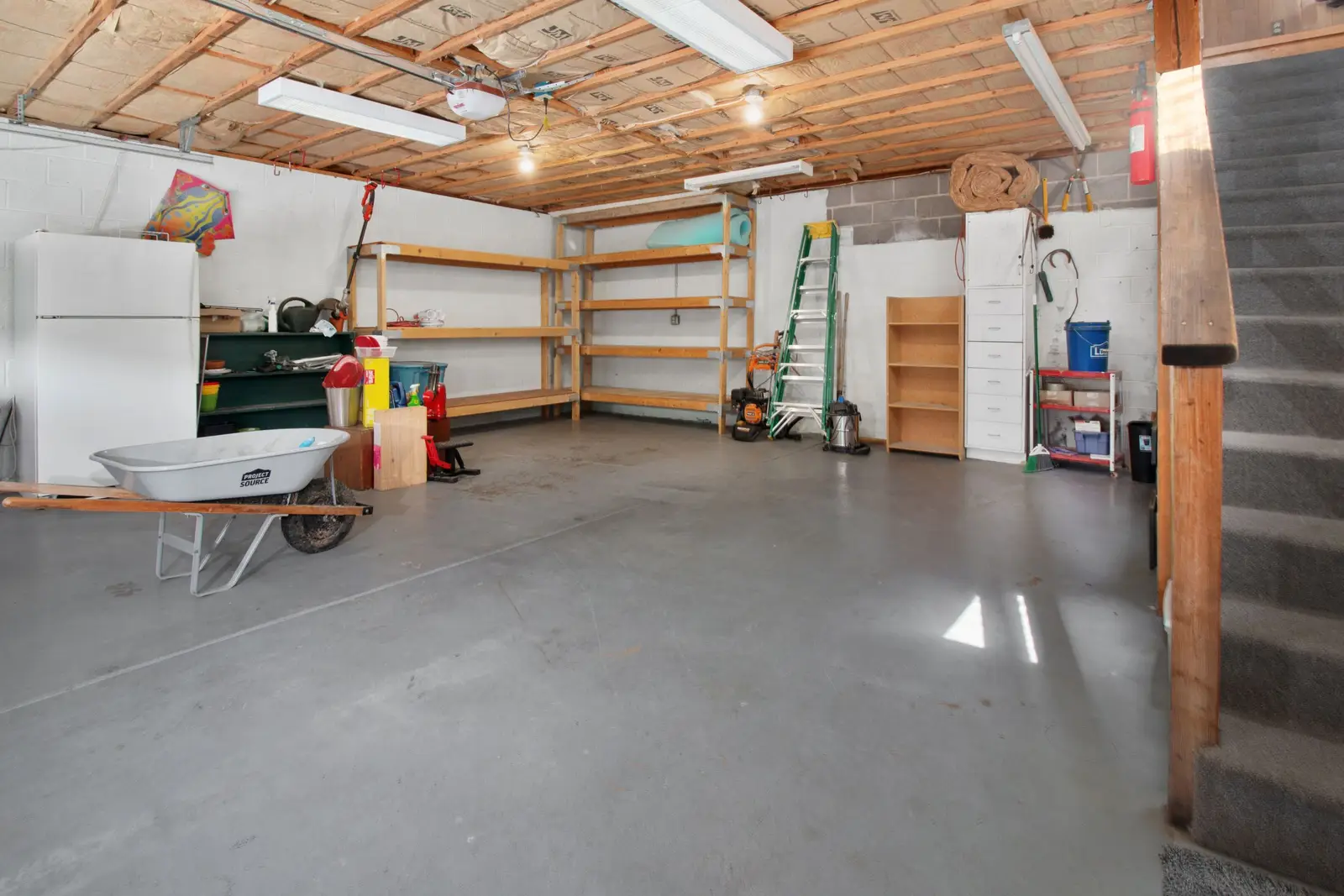
Freshly coated garage floor with a clean finish in a Cedar Hill, TX home

Coatings that hold up

Epoxy and polyaspartic coatings turn a dusty gray slab into a sealed, stain-resistant floor that wipes clean and shrugs off oil, brake fluid, and hot tires. Color and flake options let the floor match a workshop or a showroom-clean garage. Polished concrete is another route for a low-maintenance, light-reflecting finish.

The right system depends on how you use the space, a daily-driver garage, a workshop, or a hobby space all call for slightly different builds.

Built for Texas heat and moisture

A vapor barrier and proper surface prep matter here because moisture moving through a slab is what makes coatings peel. Getting the prep right is what separates a floor that looks good for years from one that flakes in a season.

The same care with the base and drainage that protects a driveway protects a garage slab tied to the foundation.

Prep is what makes a garage coating last

The reason garage floor coatings fail is almost always prep, not product. A slab that is not properly profiled, or that has moisture pushing up from below, will let even a good epoxy peel within a season. Our crew grinds and preps the surface, fixes spalling and cracks first, and checks for moisture so the coating bonds and stays put.

From there the system is matched to how you use the space. A daily-driver garage, a workshop with dropped tools and chemicals, and a clean hobby space each call for a slightly different coating and flake or color choice. Done right, the floor wipes clean, resists hot tires and oil, and brightens the whole garage for years.

Moisture testing is the step that separates a coating that lasts from one that bubbles. Slabs on our soil can carry vapor up from below, so a quick moisture check before coating tells the crew whether the floor needs a different primer or system. Skipping that test is the most common reason a garage coating fails early.
Planning a garage floors project? Get a free, itemized estimate from our crew.
Get My Estimate

Our process

How your garage floors project goes

  1. 01

    Walk the site and grade

    Our crew comes out, measures the area, and reads the lot. On Cedar Hill's sloped escarpment sites that means checking fall, drainage, and where water wants to run before any forms go in. You get an itemized estimate that breaks down prep, materials, and finish with no surprises.

  2. 02

    Prep, base, and forms

    Old concrete gets removed, the subgrade is excavated to depth, and a compacted base goes down over the Blackland clay. Forms are set true to the grade so the slab sheds water away from the house instead of pooling against the foundation.

  3. 03

    Pour, reinforce, and finish

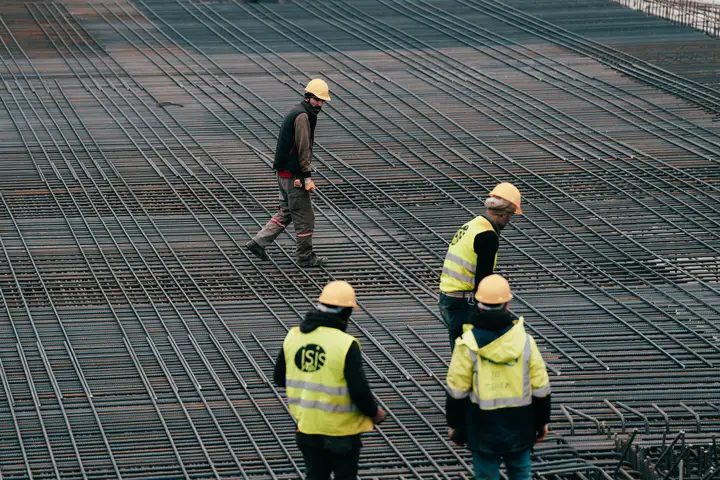
    The mix is placed over rebar or wire mesh, screeded, and floated. Control joints are tooled at the right spacing for our soil so the slab cracks where it should, not where you can see it. Then the finish goes on: broom, smooth trowel, exposed aggregate, or a stamped pattern.

  4. 04

    Cure and clean up

    Fresh concrete is cured slowly so it reaches full strength instead of drying too fast in the Texas sun. The crew strips the forms, cleans the site, and walks the finished work with you. You know when it is safe for foot traffic and when it can take a vehicle.

FAQ

Garage Floors questions

How long does an epoxy garage floor last?

A properly prepped and applied coating can last many years under normal use. Surface prep and fixing the slab first are what determine how long it holds.

Can you fix a flaking garage floor?

Yes. Spalled and pitted floors can be patched and resurfaced to a sound surface, then coated so the finish bonds and lasts.

Epoxy or polished concrete for a garage?

Epoxy and polyaspartic coatings add color and strong stain resistance; polished concrete is low-maintenance and bright. The best pick depends on how you use the garage.

Free estimates

Get your free garage floors estimate

Call or send a request and we will set up a free on-site visit. You get a written, itemized estimate with no pressure. Open 7 days, 7am to 8pm.

Call Now Free Estimate