Serving Cedar Hill, DeSoto, Duncanville, Midlothian & the Best Southwest Open 7 days, 7am to 8pm Call (469) 402-4525

Concrete Repairs in Cedar Hill, TX

Concrete repairs in Cedar Hill, TX cover everything from sealing cracks and lifting settled slabs to resurfacing worn driveways and patios.

  • Free on-site estimate, itemized in writing
  • Built for Cedar Hill clay and sloped lots
  • Open 7 days, 7am to 8pm

Free Concrete Repairs Estimate

Tell us about your project. We usually call back the same day.

Your info stays with us. Prefer to talk? (469) 402-4525

Free On-Site EstimatesItemized and in writing
Locally OwnedBased in Cedar Hill, TX
Built for Texas ClayProper base, rebar, and joints
Residential & CommercialDriveways to parking lots

Our crew assesses what caused the damage first, because fixing the surface without fixing the cause just buys time. Then it makes the call between repair and replacement honestly.

Cracks, settling, and spalling

Hairline cracks are normal and easy to seal before water gets in and freezes. Wider cracks, slabs that have settled or heaved, and surfaces that are flaking or spalling point to a base or drainage problem underneath. The crew reads the pattern to figure out whether the slab can be saved or needs to come out.

On our expansive clay, a lot of damage traces back to moisture swings and poor drainage around the slab. Correcting the water is often as important as the concrete work itself.
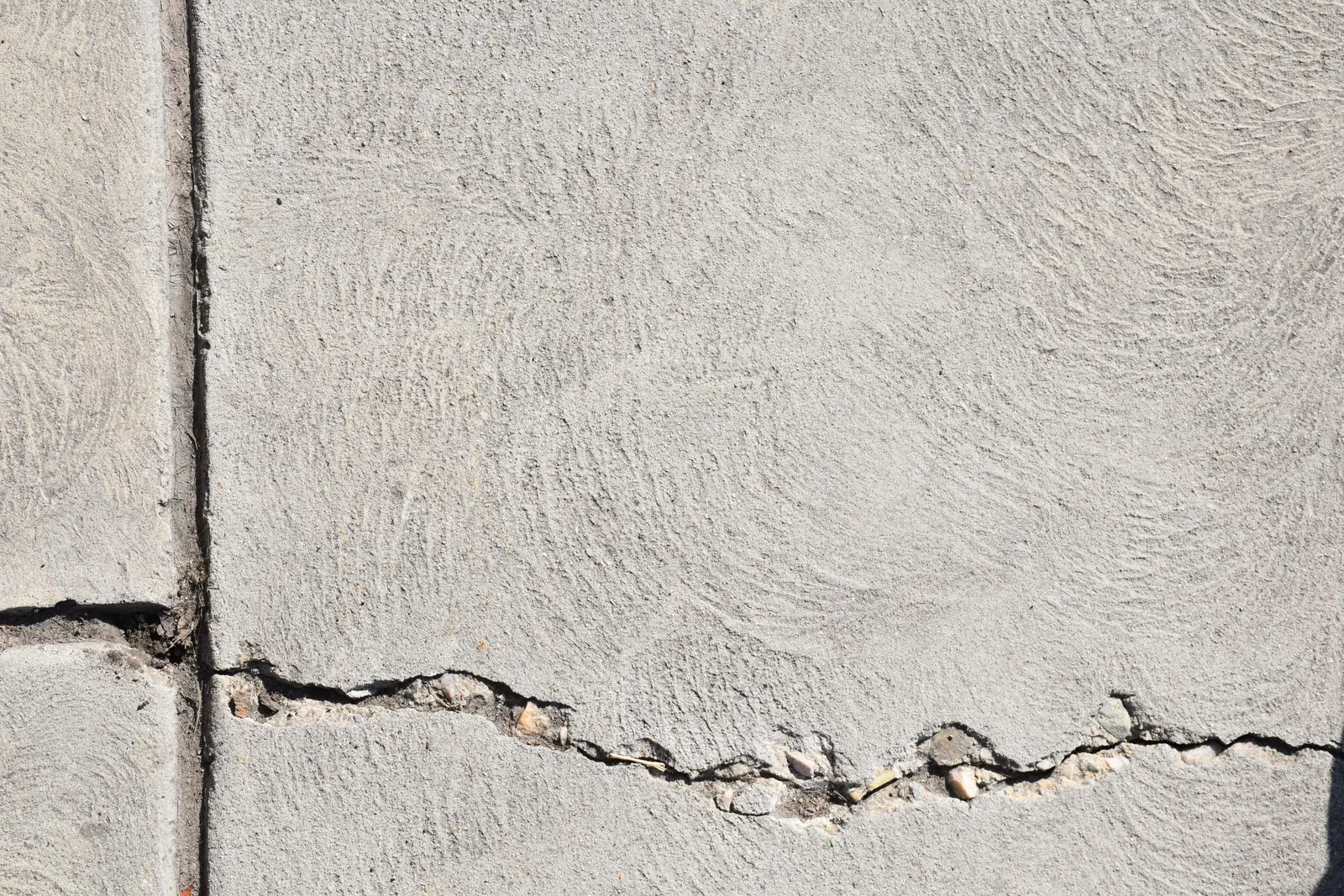
Close-up of concrete crack repair and resurfacing work on a Cedar Hill, TX driveway

Leveling, resurfacing, and replacement

Settled slabs can sometimes be lifted back to grade. Worn but structurally sound surfaces can be resurfaced with a bonded overlay that restores a clean finish. When a slab has cracked through, heaved, or lost its base, replacement is the honest answer and the one that lasts.

Our crew will tell you which path your concrete needs instead of selling a patch that fails again next season.

Repairs that address the cause

The difference between a repair that holds and one that comes back is whether the underlying issue gets fixed: regrading so water sheds away, improving the base, or adding control joints where stress concentrates. The visible fix is the last step, not the only one.

That approach protects the rest of your concrete too, since the same drainage and soil conditions act on every slab on the property.

Catching problems before they spread

Most concrete failures in Cedar Hill start small and get expensive when they are ignored. A hairline crack lets water reach the base, the clay underneath swells and shrinks, and what was a five-minute seal becomes a settled, broken slab. Our crew would rather seal and stabilize early than tear out later, and will tell you honestly where a repair buys real time.

An annual once-over goes a long way: check for new cracks, keep joints sealed, make sure downspouts carry water past the slab, and reseal decorative surfaces on schedule. Small, timely repairs paired with good drainage are the cheapest way to get decades out of the concrete you already have.

Drainage is the quiet half of every repair. Before signing off, our crew looks at where the roof water lands, whether the grade falls away from the slab, and whether a downspout is dumping right at a corner that keeps cracking. Fixing that is often cheaper than the concrete work and is what keeps the repair from coming back.
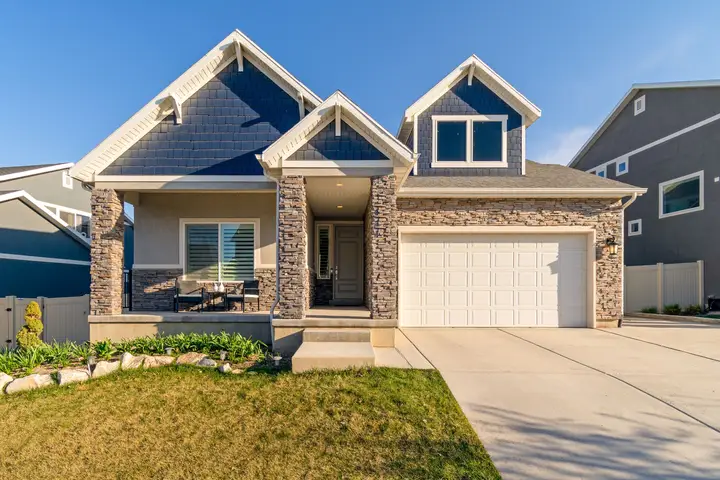
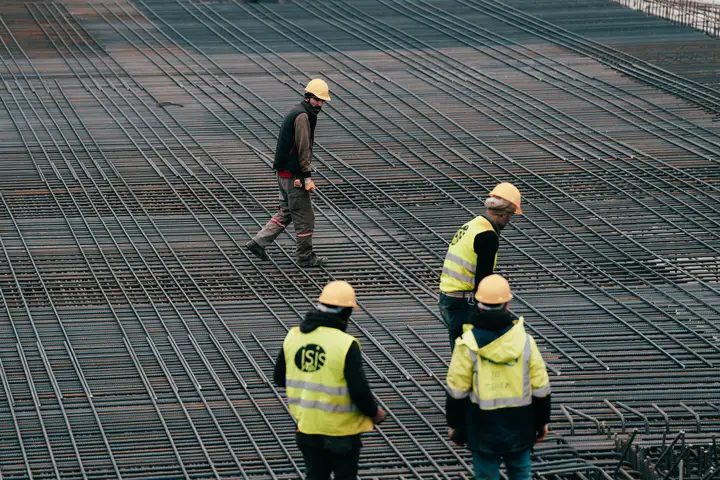
Planning a concrete repairs project? Get a free, itemized estimate from our crew.
Get My Estimate

Our process

How your concrete repairs project goes

  1. 01

    Walk the site and grade

    Our crew comes out, measures the area, and reads the lot. On Cedar Hill's sloped escarpment sites that means checking fall, drainage, and where water wants to run before any forms go in. You get an itemized estimate that breaks down prep, materials, and finish with no surprises.

  2. 02

    Prep, base, and forms

    Old concrete gets removed, the subgrade is excavated to depth, and a compacted base goes down over the Blackland clay. Forms are set true to the grade so the slab sheds water away from the house instead of pooling against the foundation.

  3. 03

    Pour, reinforce, and finish

    The mix is placed over rebar or wire mesh, screeded, and floated. Control joints are tooled at the right spacing for our soil so the slab cracks where it should, not where you can see it. Then the finish goes on: broom, smooth trowel, exposed aggregate, or a stamped pattern.

  4. 04

    Cure and clean up

    Fresh concrete is cured slowly so it reaches full strength instead of drying too fast in the Texas sun. The crew strips the forms, cleans the site, and walks the finished work with you. You know when it is safe for foot traffic and when it can take a vehicle.

FAQ

Concrete Repairs questions

Should I repair or replace my concrete?

Surface wear and tight cracks on a sound slab are good repair candidates. A slab that has cracked through, heaved, or lost its base usually lasts longer replaced. Our crew will give you a straight answer after looking at it.

Can you fix cracks in my driveway?

Yes. Crack sealing and resurfacing handle most driveway cracks, and the crew checks drainage and base so the repair holds rather than reopening.

Why does my concrete keep cracking?

Usually moisture movement in expansive clay and poor drainage around the slab. Correcting the water and the base, not just the surface, is what stops it from recurring.

Free estimates

Get your free concrete repairs estimate

Call or send a request and we will set up a free on-site visit. You get a written, itemized estimate with no pressure. Open 7 days, 7am to 8pm.

Call Now Free Estimate