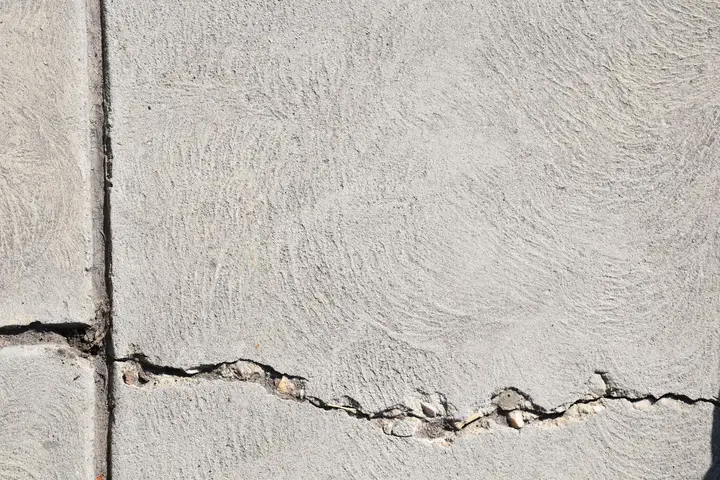
Our crew pours new driveways, replaces cracked and failing ones, and widens or extends what you already have. Each pour is built for our ground: a compacted base over Blackland clay, the right thickness for the load, and joints placed so the slab stays flat for years.
New driveways, replacements, and extensions
Whether you are paving bare dirt for the first time or tearing out a driveway that has cracked, settled, or spalled, the work starts the same way: read the lot, set the grade, and build the base before any concrete is placed. A new driveway is sized to your vehicles and the approach from the street. A replacement means hauling out the old slab, fixing whatever caused it to fail, and pouring fresh.
Extensions and widenings are common in Cedar Hill, where older homes were built for one car and now park two or three. Our crew matches the new pour to the existing slab as closely as concrete allows, ties in a clean joint, and keeps the drainage working so the addition does not trap water against the house.
Built for Cedar Hill clay and sloped lots
The reason driveways crack here is rarely the concrete itself. It is the ground under it. Cedar Hill sits on the White Rock Escarpment, with Austin Chalk limestone, Eagle Ford shale, and pockets of expansive Blackland clay that swell when wet and shrink when dry. A slab poured on a poorly prepared base rides that movement and cracks.
The fix is in the prep. A compacted, properly drained base spreads the load, control joints are tooled at spacing suited to our soil so the slab cracks along the joint instead of across the surface, and thickened edges and reinforcement carry the weight where vehicles turn and park. On a sloped escarpment lot, the crew sets the fall so runoff sheds to the street, not toward your foundation.
Thickness, reinforcement, and finish options
Four inches of concrete handles cars and light trucks. Step up to six inches if you park an RV, a boat trailer, or heavy work vehicles. Rebar or wire mesh ties the slab together so a hairline crack stays tight instead of opening into a trip hazard.
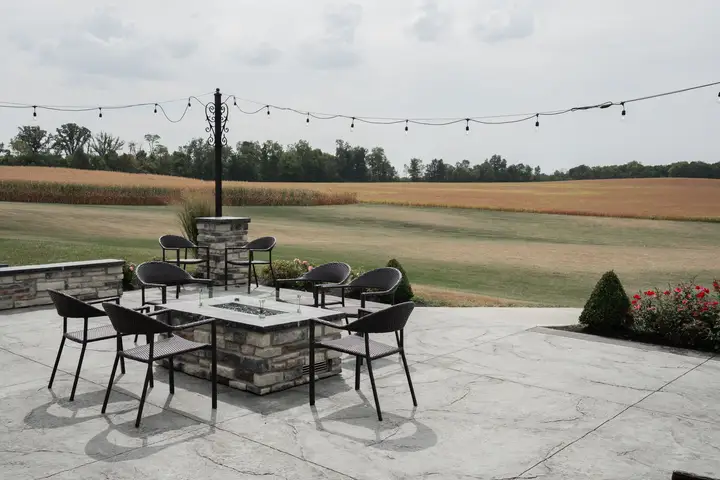
For the surface, a broom finish is the standard for driveways because it sheds water and gives tires grip. If you want more, our crew can stamp a border, expose the aggregate, or add a saw-cut pattern that dresses up the approach without giving up traction.
Drainage and curb appeal on a Cedar Hill driveway
Because so many Cedar Hill homes sit on grade, a driveway here is also part of the property's drainage. Our crew sets the cross-slope and the apron at the street so rain runs off to the gutter instead of sheeting toward the garage or pooling in a low spot that freezes in winter. Where a driveway runs downhill to the house, a trench drain or a swale gets worked into the plan so water never reaches the foundation.
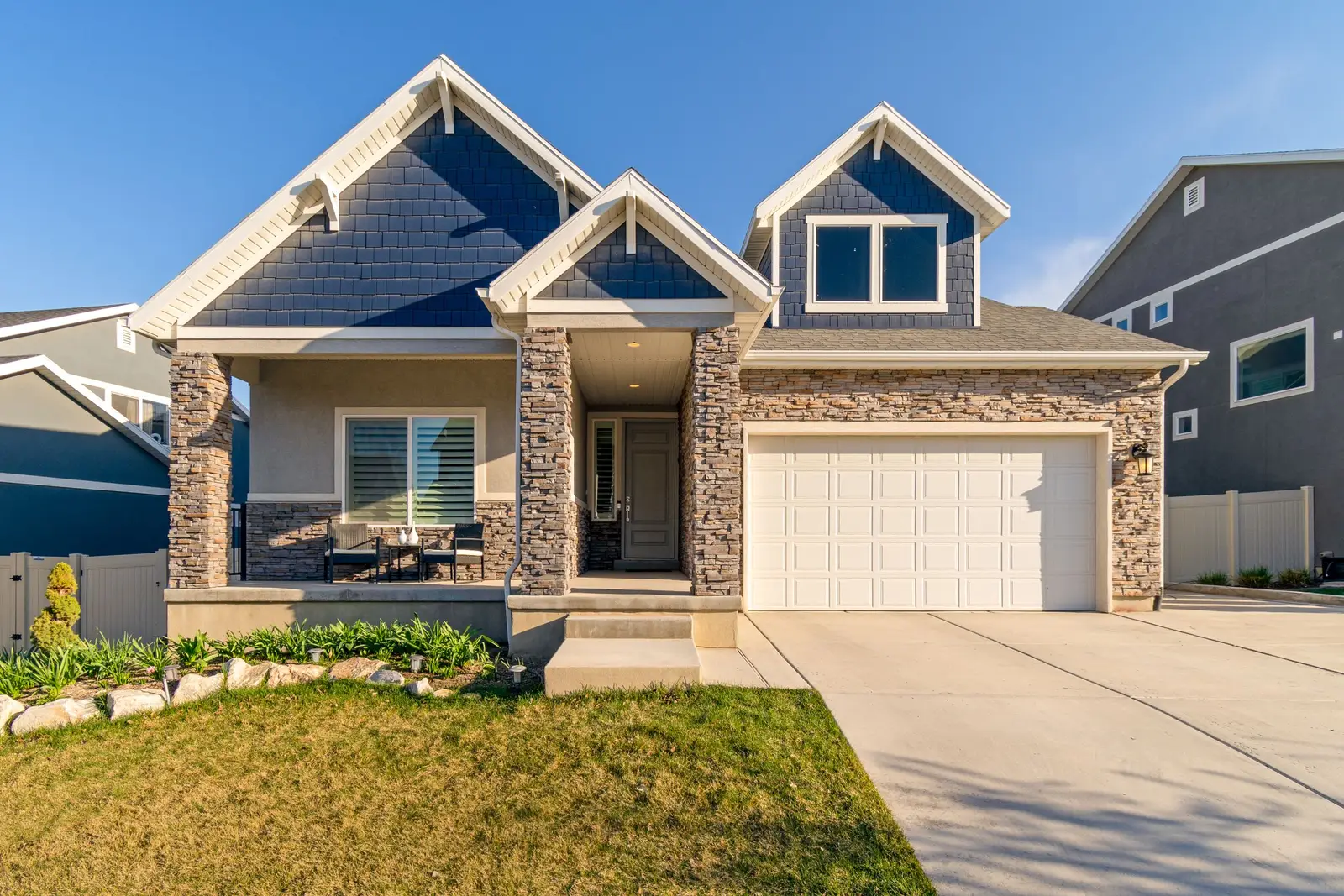
Curb appeal matters too, since the driveway is most of what people see from the street. A clean broom finish reads crisp against brick and limestone, and a stamped or saw-cut border, a contrasting ribbon, or an exposed-aggregate apron can lift the whole front of the house without a big jump in cost. The crew will walk options that fit the home and the budget before any concrete is ordered.
One more Cedar Hill detail: the approach where the driveway meets the street. The city right-of-way and the gutter line set how the apron is poured, and a clean transition there keeps the slab from cracking at the weakest point and keeps water moving to the storm drain. Our crew handles that tie-in as part of the job.