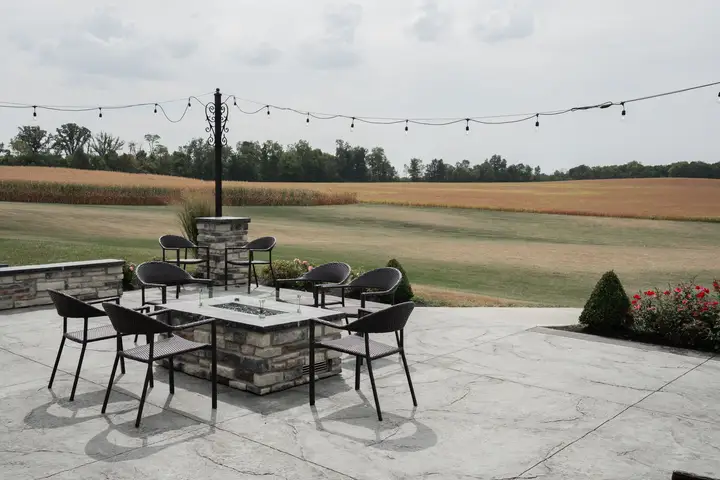
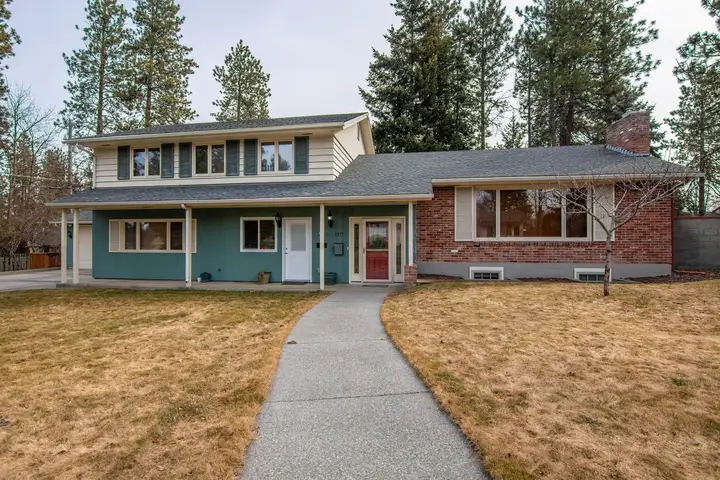
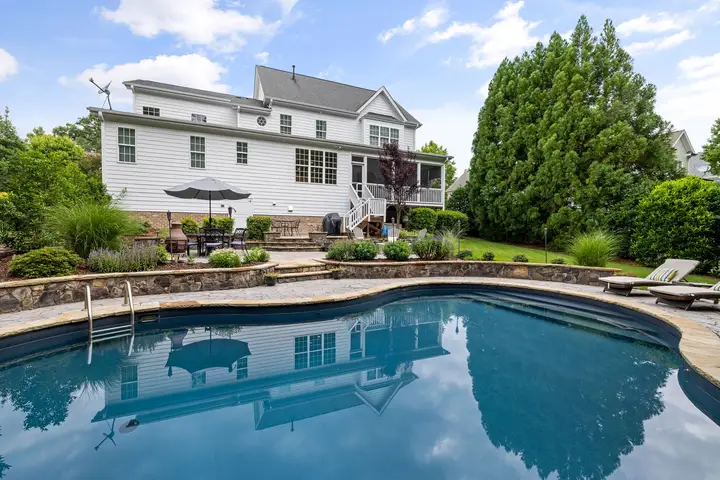
Our crew cleans the slab, opens the pores, and applies a sealer that blocks water, oil, and UV from soaking in. Stamped and colored concrete especially needs it, because the sealer is what keeps the color rich instead of chalky and faded.
Why sealing matters on Cedar Hill concrete
Concrete looks solid, but it is full of tiny pores. Rain soaks in, and when a hard freeze hits a few nights a winter, that water expands and pops flakes off the surface. Oil drips and rust from sprinklers stain deep. Our summer sun bleaches the color out of stamped and stained slabs. A good sealer closes those pores and takes the hit instead of the concrete.
Here is why it pays. Sealing costs a small fraction of resurfacing or replacement, and it adds years to the finish. Water that does not get in also cannot soften the base under the edge of the slab, which helps on our Blackland clay where wet soil under a slab means movement. Think of it as cheap insurance for the concrete you already paid for.
Picking the right sealer
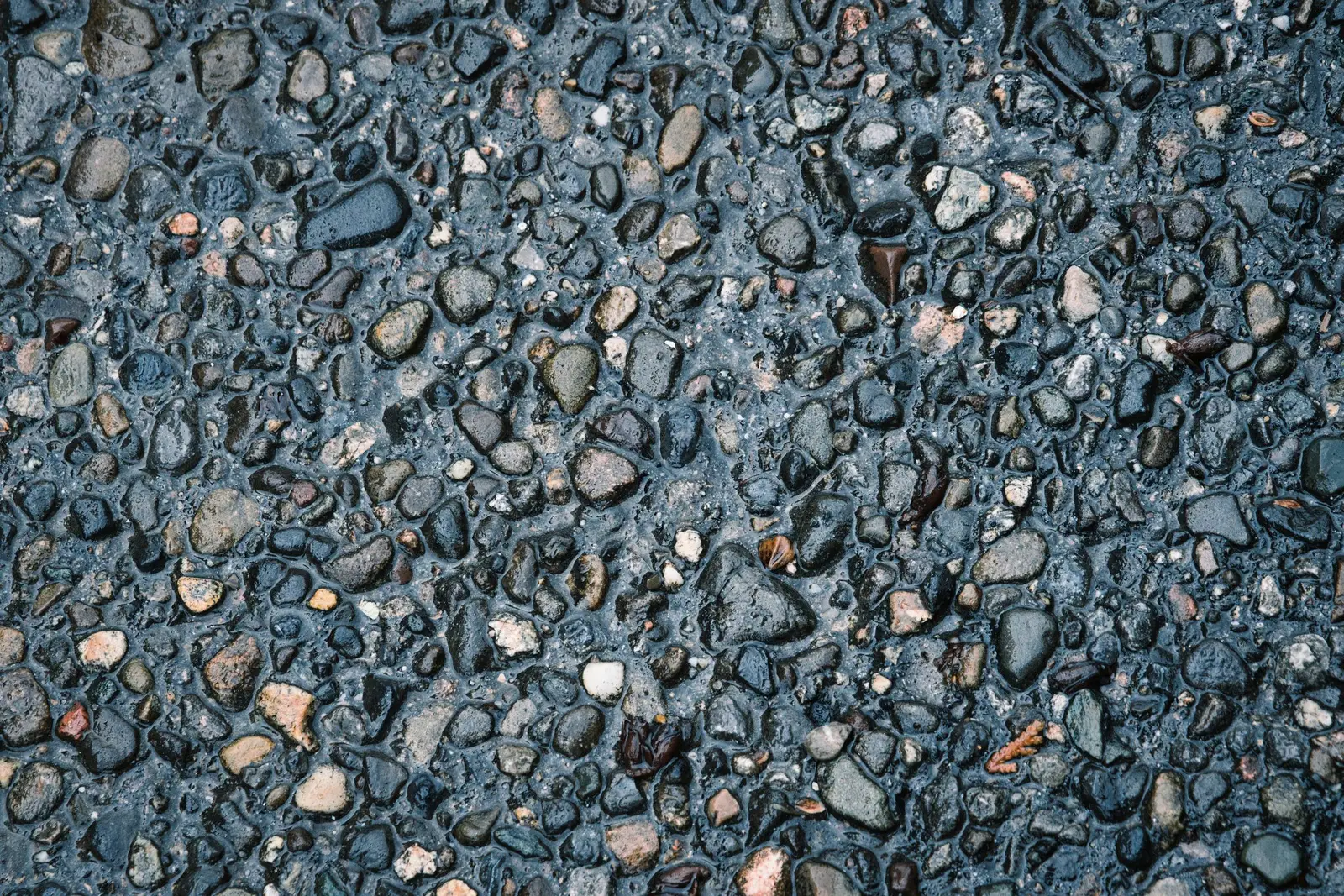
Let's break it down. Penetrating sealers, like silane and siloxane, soak in and repel water without changing the look. They suit broom-finish driveways and walks where you want grip and a natural finish. Acrylic sealers sit on top, add a wet look, and bring out color in stamped and exposed aggregate concrete. They need reapplying more often.
Polyurethane and epoxy coatings are tougher films used mostly on garage floors and commercial slabs where chemicals and hot tires are the threat. On pool decks, the crew adds a non-slip grit to any film-forming sealer so the surface stays safe when wet. Our crew will match the sealer to the slab instead of using one product on everything.
The sealing process and schedule
New concrete needs to cure before it is sealed, usually about a month. On older concrete, the crew pressure washes, treats oil and rust stains, lets the slab dry fully, then applies the sealer in thin, even coats with a roller or sprayer. Thick coats trap moisture and turn cloudy, so less is more.
Plan on resealing a driveway every two to three years and a stamped patio or pool deck every two to three years as well, sooner where it gets full afternoon sun. Water that stops beading on the surface is the sign it is time. Stay off a fresh sealer for a day on foot and a few days in a car. Next steps: pull the cars out, move furniture off the patio, and turn off sprinklers the night before so the slab is dry when the crew arrives.
Do it yourself or hire a crew?
Sealing a small walk with a penetrating sealer from the hardware store is a fair weekend job. Larger areas, stamped concrete, and pool decks are where a crew earns its fee. The cleaning, stain treatment, and even application matter more than the sealer itself, and a bad coat can turn cloudy, peel, or get slick.
One common problem in Cedar Hill is a whitish haze on old stamped patios. That is usually moisture trapped under a thick acrylic coat or a sealer applied on a damp slab. Fixing it may mean stripping the old sealer with a solvent and starting fresh. Our crew can tell the difference between a haze that buffs out and one that needs stripping.
Timing helps too. Spring and fall are ideal, when temperatures sit between about 50 and 90 degrees and rain is not in the forecast for a day. In summer, the crew works early in the morning so the sealer does not flash dry in the sun and leave roller marks.