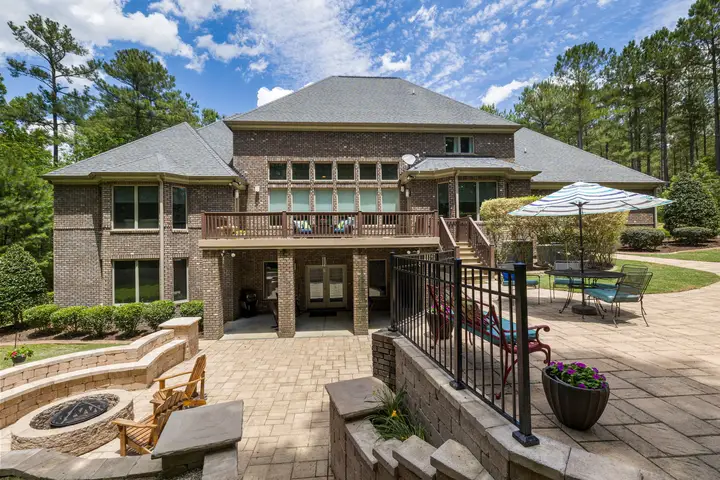
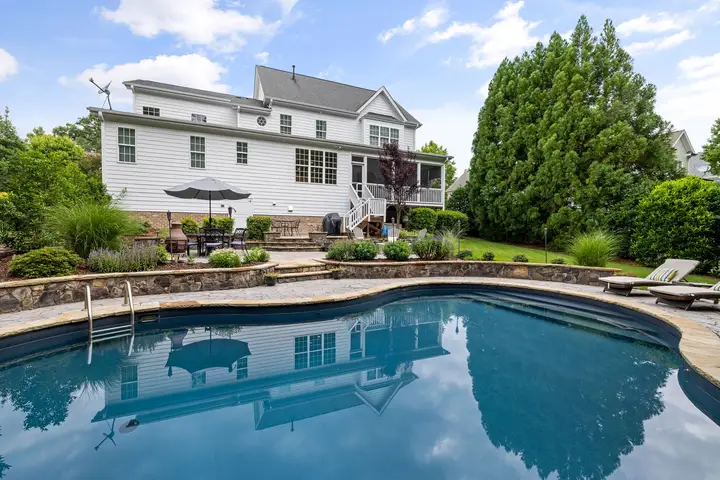
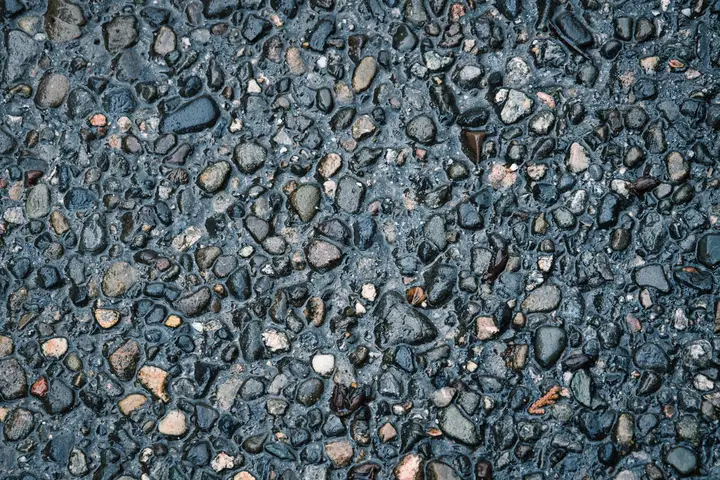
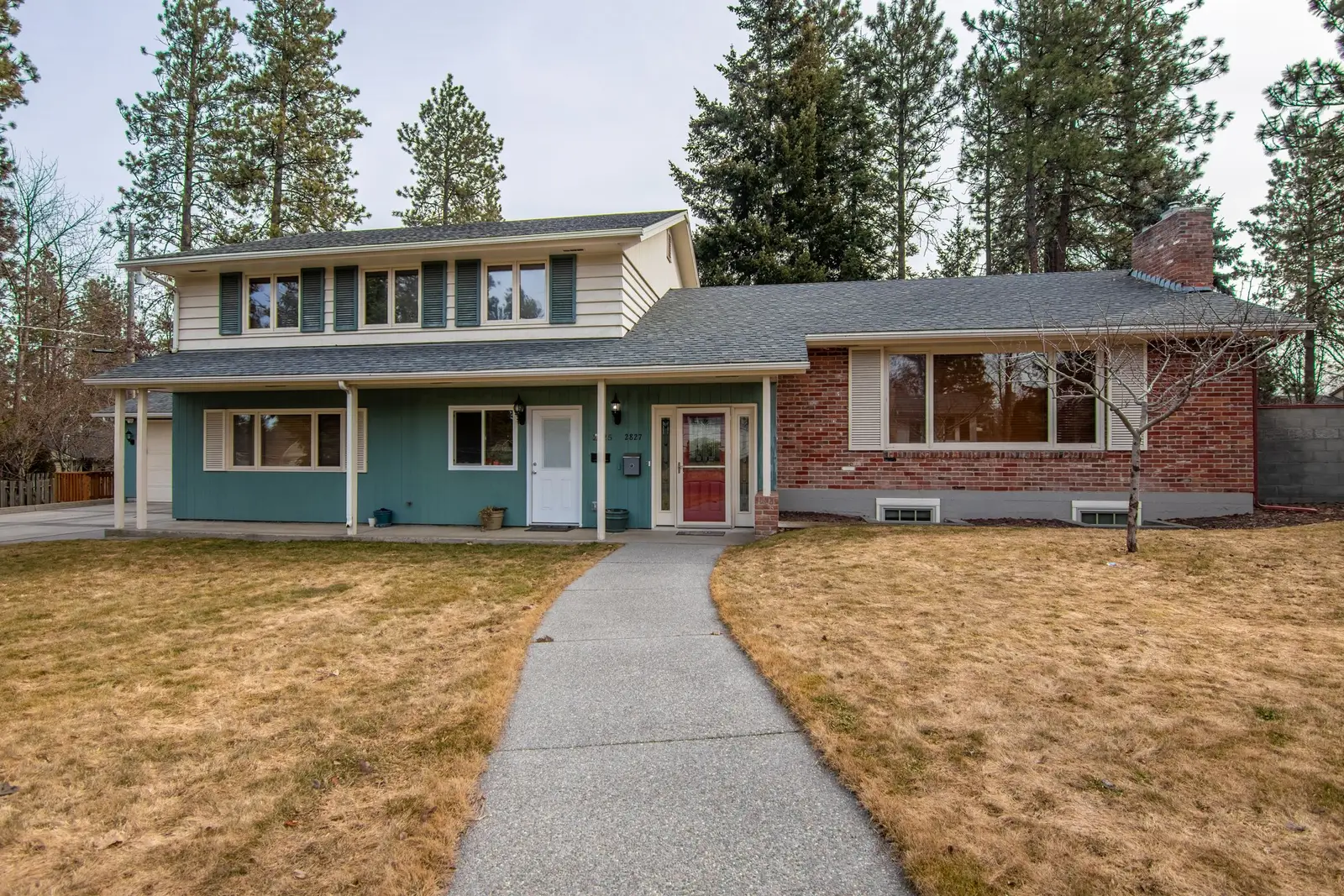
Our crew pours the slab, then washes or retards the top layer away to reveal the rock, giving you a pebbled, natural surface with real grip. It works on driveways, patios, pool decks, and walkways, and it hides dirt and tire marks far better than plain gray.
How exposed aggregate is made
Let's break it down. The crew pours and screeds the slab like any other, then sprays a surface retarder that slows the set of the top fraction of an inch. A few hours later, they wash and brush that layer off with water, and the stone underneath pops out. Some jobs seed extra decorative rock onto the surface before finishing for more color.
Timing is everything. Wash too early and stones pull loose. Wait too long and the cream locks on and will not come off. On a hot Cedar Hill afternoon that window can shrink fast, so a good crew watches the slab closely and starts pours early in the morning in summer. Joints get saw-cut once the slab can take the blade, and the crew rinses the surface again the next day to clear any haze left on the stone.
Picking the stone and color
The look comes from the aggregate you choose. Standard DFW mixes use local river gravel in tans, browns, and grays, which suits brick and limestone homes. Upgraded mixes can use pea gravel, crushed granite, or colored river rock for a richer finish. Integral color in the cement paste changes the background tone between the stones.
Ask to see a sample panel or a finished job in person before you commit. Photos never quite show the size and spread of the stone, and once it is poured, it is permanent. Our crew can point you to examples around the Best Southwest so you can see real slabs that have weathered a few summers. Ask how the finish looks wet and dry, too, since a sealer will darken the stone and change the mood of the whole slab.
Where it works best
Pool decks are a natural fit because the pebbled texture gives bare feet traction around the water at Cedar Hill homes near Joe Pool Lake and beyond. Driveways on sloped escarpment lots benefit from the extra grip in rain. Patios and walks get a finish that looks good for years without showing every stain.
The tradeoffs are simple. Exposed aggregate can feel rough on bare feet if the stone is large and sharp, so pick a rounded rock for pool decks. It also costs more than broom finish because of the extra labor and timing. On the plus side, it hides wear and cracks better than smooth concrete. It also holds up well on our clay because the base and joint work under it are the same as any quality slab.
Caring for exposed aggregate in North Texas
Exposed aggregate is one of the lowest-care finishes you can pick. Rinse it with a hose a few times a year and blow off leaves before they stain. A stiff brush and a mild cleaner handle most spills. Skip harsh acids, which can eat the paste between the stones and loosen them.
Sealing is where you get the most bang for the buck. A penetrating sealer keeps it natural, while an acrylic sealer gives a wet look that makes the stone colors pop. In full Texas sun, plan on resealing every two to three years. On a pool deck, ask for a sealer rated for pool chemicals and add a non-slip grit.
If a few stones pop loose over time, a crew can set new ones with a bonding agent. Cracks in exposed aggregate hide better than in smooth concrete, but they still need sealing to keep water out of the clay below. Next steps: look at a few local examples, pick your stone, and book an on-site look.