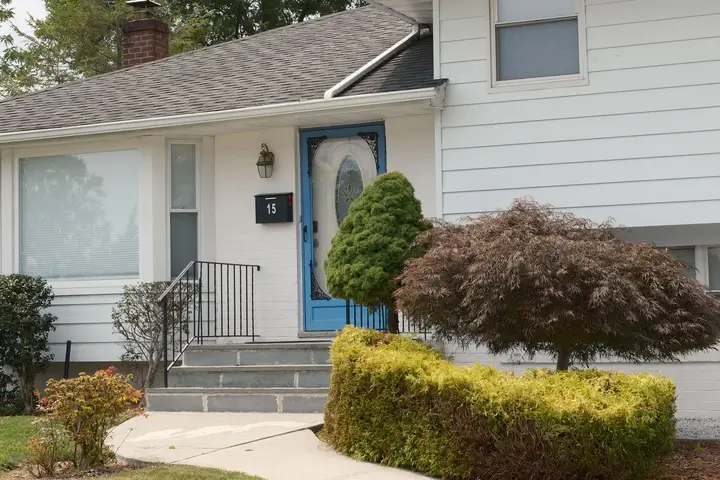
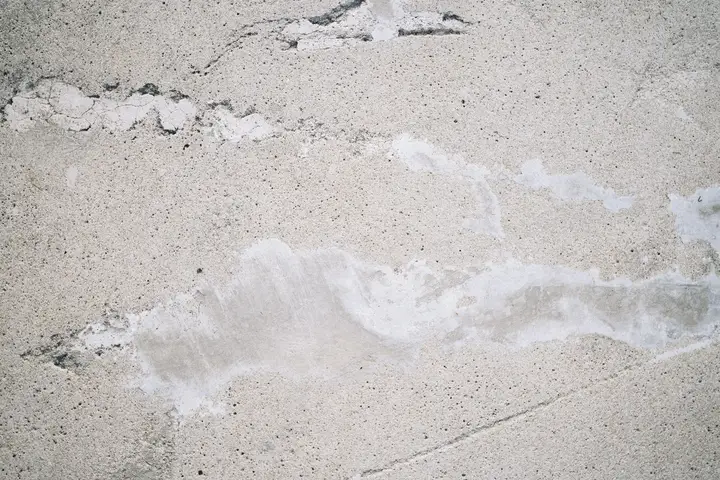
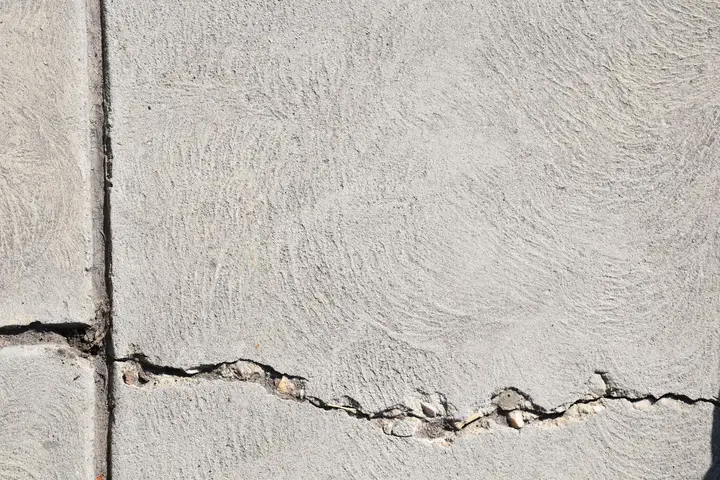
Our crew pours new walks, replaces heaved and broken panels, and fixes the trip edges that show up after a few wet and dry seasons on our clay. A good sidewalk is one you never notice: flat, grippy, and draining the right way.
New walks and panel replacement
New sidewalks go in when a house was built without one, when you want a path to a side gate or a backyard shop, or when an old walk is too narrow to use. Four feet wide is a comfortable minimum for one person with a trash can. Five feet lets two people walk side by side.
Replacement is often cheaper than people expect because sidewalks are poured in panels. If two or three squares have heaved or cracked through, the crew saw-cuts at the joints, removes only the bad panels, fixes the base, and pours new ones to match the height of the neighbors. You keep the good concrete and lose the trip hazard. Most panel swaps take a day to pour, and you can walk on the new squares in a day or two.
Why sidewalks heave in Cedar Hill
Here is why. A sidewalk is thin and light, so it moves more than a driveway when the Blackland clay underneath swells. Tree roots from the big live oaks and cedar elms common in older Cedar Hill neighborhoods lift panels from below. Water running off a downspout and soaking one spot can push a single square up an inch in a wet spring.
The cure is in the base and the layout. The crew digs out soft soil, sets a compacted base, places control joints every four to five feet so cracks fall in the groove, and slopes the walk a little to one side so water runs off. Where roots are the problem, a root barrier or a slight reroute keeps the new panels from going the same way.
Public sidewalks and the city right-of-way
The strip of sidewalk along the street in many neighborhoods sits in the city right-of-way, even though it runs across your front yard. Who pays to fix it and what width and slope it needs depend on local rules. Check with the City of Cedar Hill before you replace a public walk so the work meets their standard. On a private walk inside your property line, the choice is yours, but the same rules of a good base and proper slope still apply.
Next steps: walk the sidewalk with the crew, mark the panels that rock, trip, or hold water, and decide whether you are fixing only those or redoing the whole run. Our crew will give you both prices so you can choose. Doing the whole run at once costs more today but leaves you with matching concrete and one set of joints that age together.
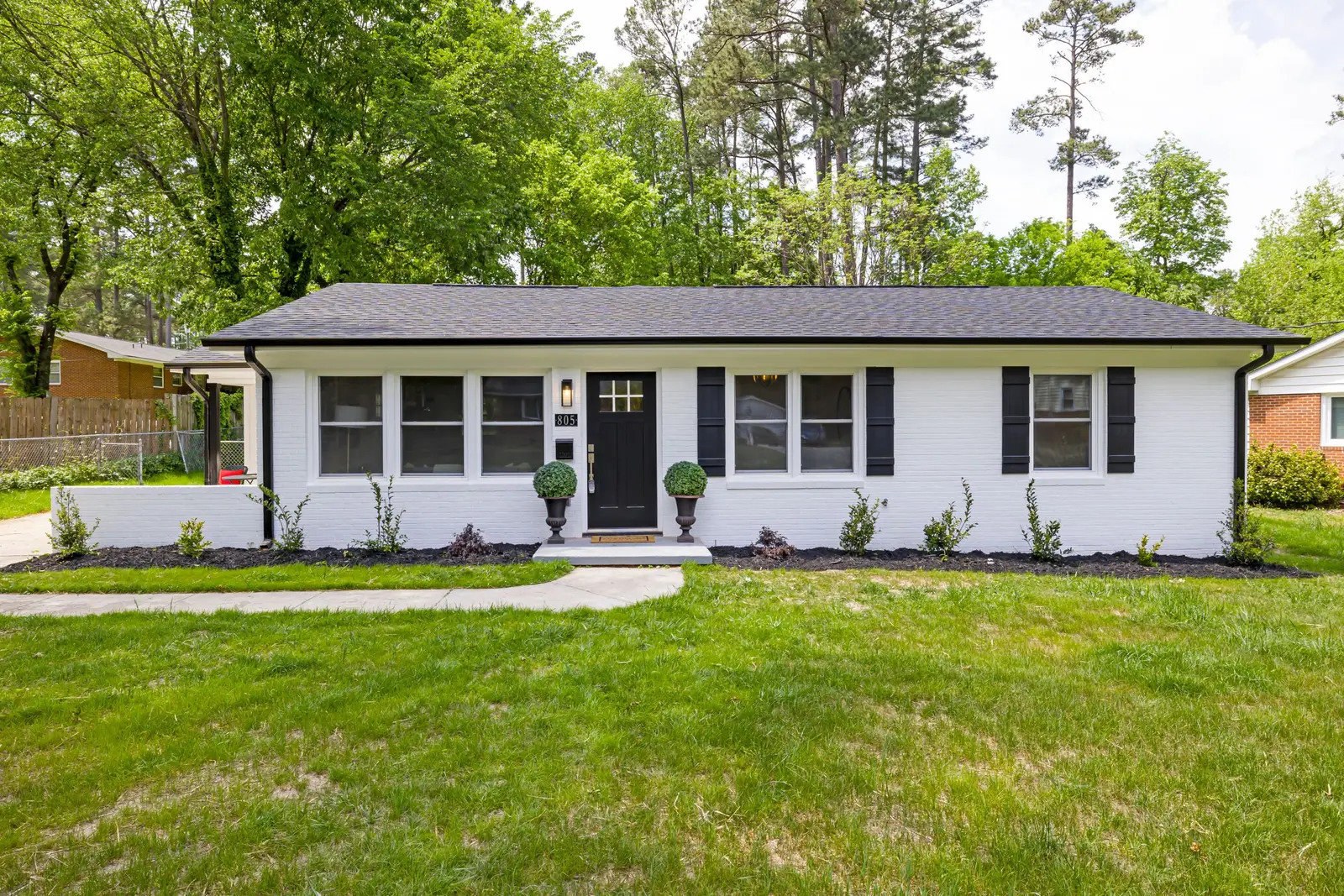
Sidewalk details that matter in the Best Southwest
A walk from the driveway to the front door is the path every guest takes, so it deserves a little thought. A gentle curve reads friendlier than a hard straight line, and a broom finish laid perpendicular to the walk gives the best grip in rain. A saw-cut or stamped border can match a decorative driveway without much added cost.
Steps and slope go together on the sloped lots of Cedar Hill. A walk can only climb so steeply before it turns slick and tiring, so the crew may add a landing or a step where the grade drops. Where someone in the house uses a walker or wheelchair, a longer, gentler ramp-style walk often works better than steps.
Maintenance is light. Keep downspouts aimed away from the walk, trim roots near the edges, and seal the joints every few years so water does not get underneath. If a panel starts to rock or lift, call early. A small leveling job now beats a full replacement later.