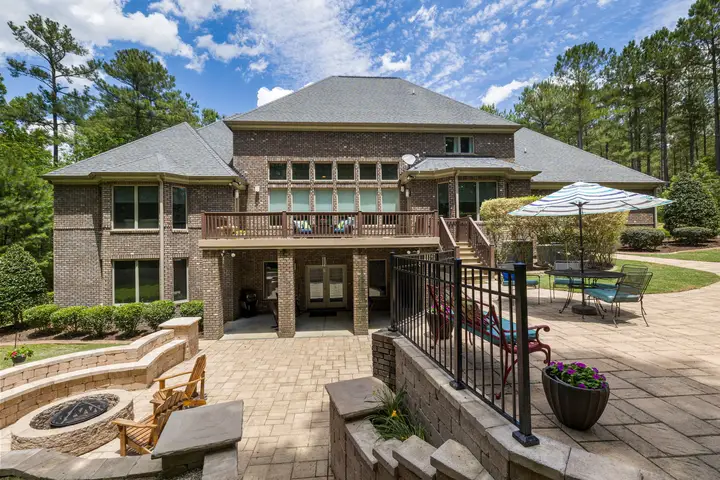
Our crew cleans and profiles the old surface, then applies a polymer-modified overlay or a thin microtopping that bonds to it. Faded patios, pitted driveways, spalled pool decks, and stained garage floors can look new again in a few days.
When resurfacing makes sense
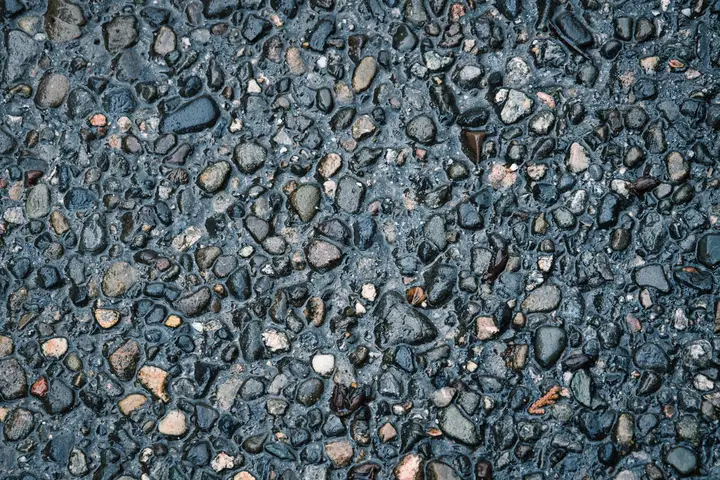
Resurfacing fixes the skin of a slab, not the bones. It is the right call when the concrete is still flat and solid but the surface has gone ugly: scaling from old de-icing salt, pitting, shallow spalls, stains that will not wash out, or a broom finish worn smooth. It also works when you simply want a new look on an old patio.
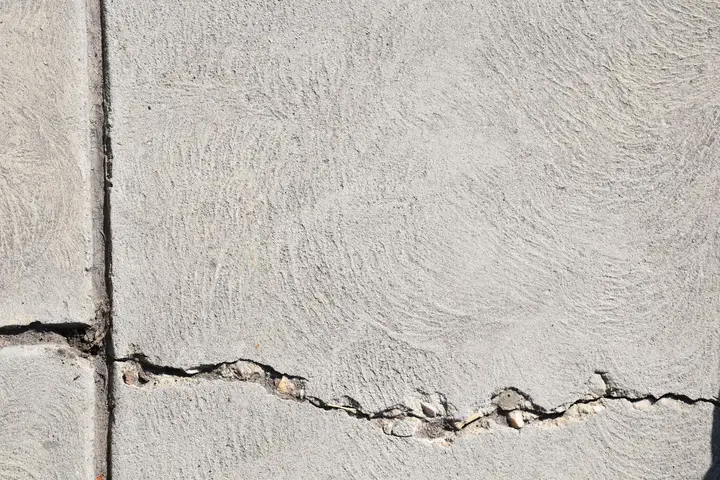
It is the wrong call when the slab has heaved, sunk, or cracked through and the pieces move against each other. An overlay on a moving slab will crack right along the old break within a season. Here is why that matters: in Cedar Hill, clay movement under the slab is the usual cause of big cracks, so a good crew checks for movement first and tells you honestly if leveling or replacement has to come before any new surface.
Overlays versus microtopping
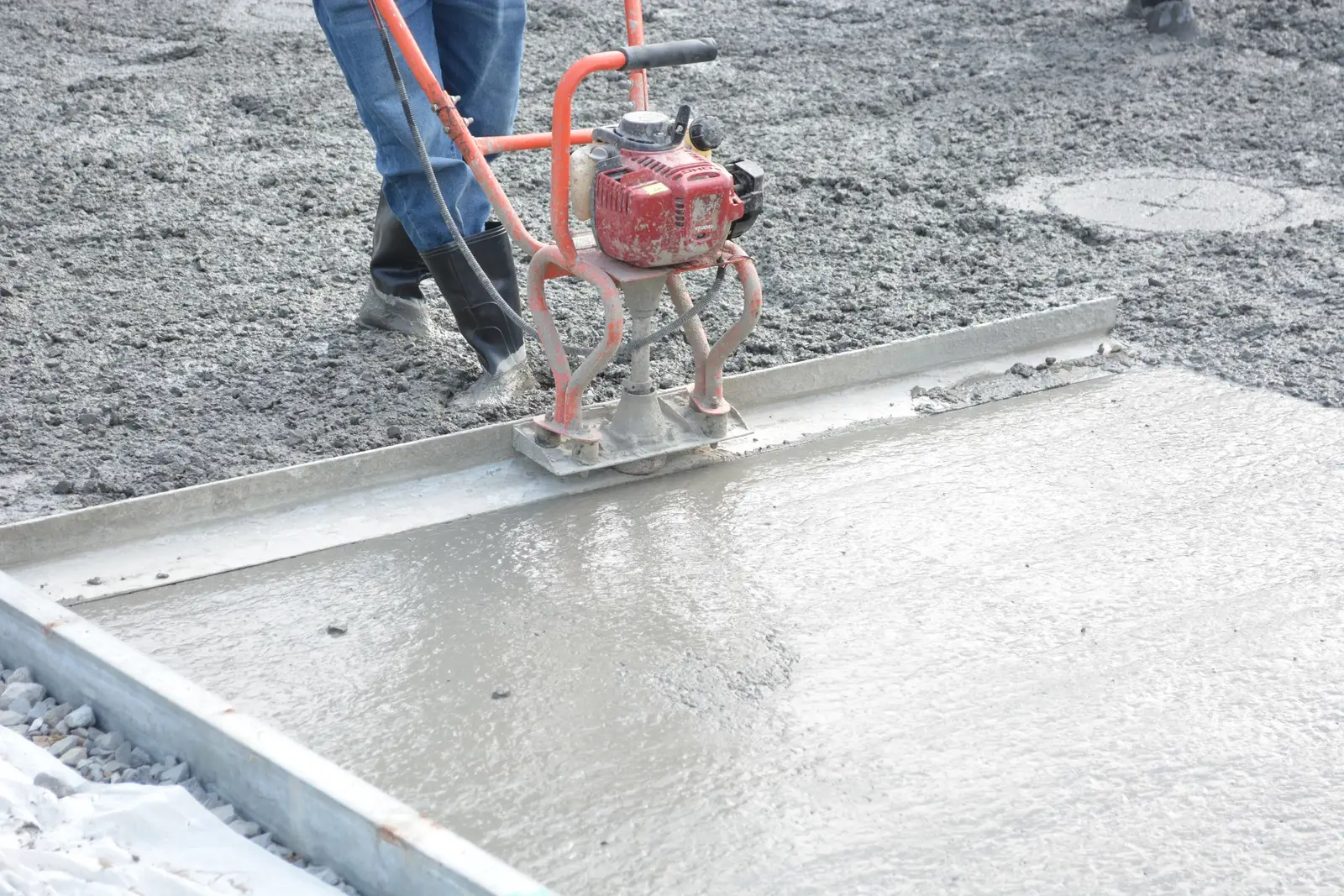
A spray-down or trowel-down overlay goes on about an eighth to a quarter inch thick. It can be textured, stamped, or scored into tile and stone patterns, and it holds up well on patios and pool decks. A self-leveling overlay runs thicker and smooths out uneven interior and garage floors.
Microtopping is thinner, often a sixteenth of an inch or less, and troweled on in layers for a smooth, modern look. It works well on patios, steps, and interior floors where you want a clean finish. Both systems get a sealer on top, and both need a sound slab underneath to last. Microtopping also suits indoor spaces, like a converted garage or a sunroom, where a smooth concrete look is the goal. Color can be mixed into the base coat or stained on afterward, so you can match brick, stone, or trim on the house.
How the work is done
Prep makes or breaks an overlay. The crew pressure washes, then grinds or shot-blasts the surface so the new material has something to grab. Cracks get routed and filled, loose spalls are chipped out and patched, and existing control joints are marked so they carry through the new surface. Skip this step and the overlay can peel in sheets within a year.
The overlay goes on in thin coats with a bonding primer underneath. On a sunny Cedar Hill day, the crew works early or shades the slab because the material sets fast in heat. A finish sealer goes on last. Most patios are walkable in a day and ready for furniture in two or three. Driveway overlays need a few more days before cars roll on them, and the crew will give you a clear date.
Is your slab a good candidate?
Here is a quick test you can run yourself. Walk the slab and look for pieces that rock, edges that have dropped, or cracks wider than a pencil that run all the way across. If you find those, the slab needs leveling or repair before any overlay. If the surface is just flaking, pitted, or stained, resurfacing is likely a good fit.
Tap the surface with a hammer in a few spots. A dull, hollow sound means the top layer has delaminated and must be removed during prep. A sharp ring means solid concrete. A good crew does the same check during the on-site look and prices the prep honestly.
Resurfacing also lets you change the look without a tear-out. A plain broom patio can become a stone pattern, or a dated stamp can turn into a clean, smooth microtopping. Pair it with a sealer and some care, and the old slab gets a second life for about half the cost of starting over.