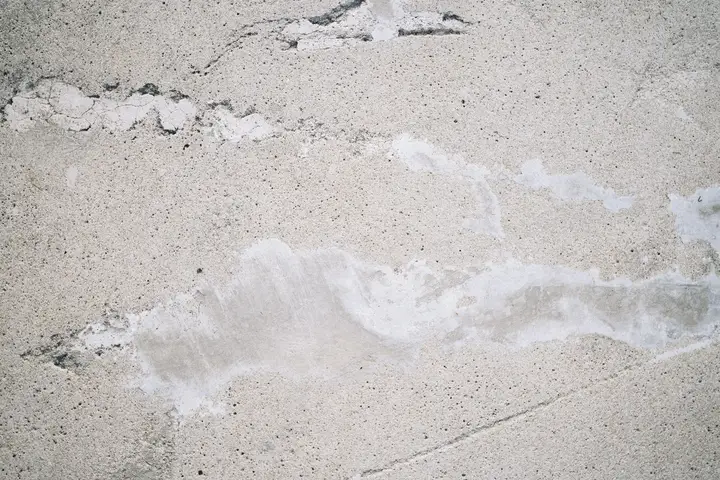
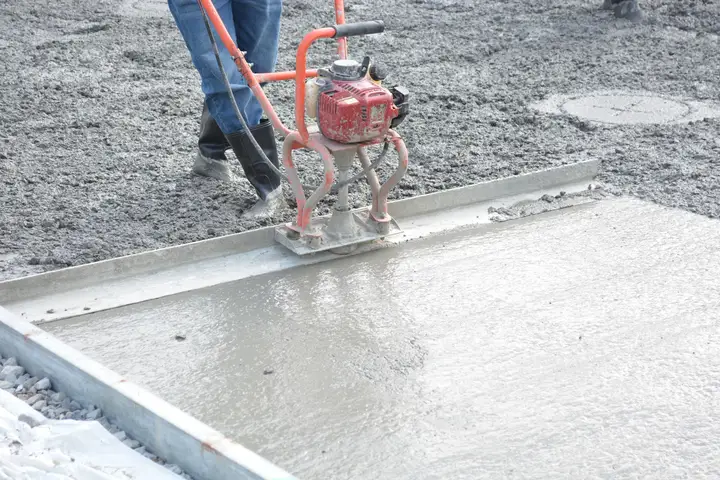
Our crew sorts out what is wrong, then fixes it the right way: sealing cracks, lifting sunken panels, cutting out and replacing broken sections, or resurfacing a worn top. The goal is simple. Spend money only where the driveway needs it.
Common driveway problems in Cedar Hill
Most driveway trouble here traces back to the ground. Blackland clay swells and shrinks with the seasons and opens cracks across the slab. A panel near the garage sinks because fill soil settled or a downspout washed out the base. The apron at the street breaks where heavy trucks roll over the thinnest part. Tree roots lift a corner near the sidewalk.
Surface wear shows up too. Scaling and flaking happen when water freezes in the pores during a winter cold snap. Oil stains, rust from sprinklers, and old patches that never matched all make a sound driveway look tired. Each problem has its own fix, and mixing them up wastes money. That is why the first step is always a careful walk of the whole driveway, not a quote over the phone.
Repair options, from small to large
Let's break it down. Hairline and small cracks get cleaned, routed, and filled with a flexible sealant that moves with the slab. A sunken panel can often be lifted with mudjacking or polyurethane foam. A panel that is broken through or badly heaved gets saw-cut at the joints, removed, and replaced with new concrete pinned to the panels beside it.
If the slab is flat and solid but the surface is ugly, resurfacing puts a new top on it. Sealing afterward helps any repair last. When more than about a third of the driveway is failing, or the base has given out under most of it, full replacement is usually the better spend, and a good crew will say so. Most repairs take one to three days, and the crew can often keep half the driveway open so you still have a place to park.
Making repairs last
Here is why some repairs fail in a year and others last a decade. A patch that only fills the crack without fixing the cause is just a timer. The crew looks for the source: a downspout dumping water at the edge, a low spot that holds rain, or a joint that never got sealed. Fixing drainage is often half the repair.
New concrete in a repair never matches old concrete perfectly at first, since fresh concrete starts lighter and darkens over time. Cutting along existing joints keeps the patch looking planned. A clear sealer over the whole driveway after the work blends things a bit and protects the new and old sections alike. Within a year or two, most homeowners stop noticing where the repair was.
Signs your driveway needs attention now
Some problems can wait a season and some cannot. Act soon if a panel has dropped and left a lip at the garage that catches tires or toes, if water now pools against the house, or if a crack has opened wide enough to swallow a coin and keeps growing. Each of those lets more water under the slab and speeds up the damage.
Smaller issues are fine to plan around. Hairline cracks, light surface wear, and stains can wait until you bundle them into one visit with a reseal. Bundling saves on trip charges and gets the whole driveway on the same maintenance clock.
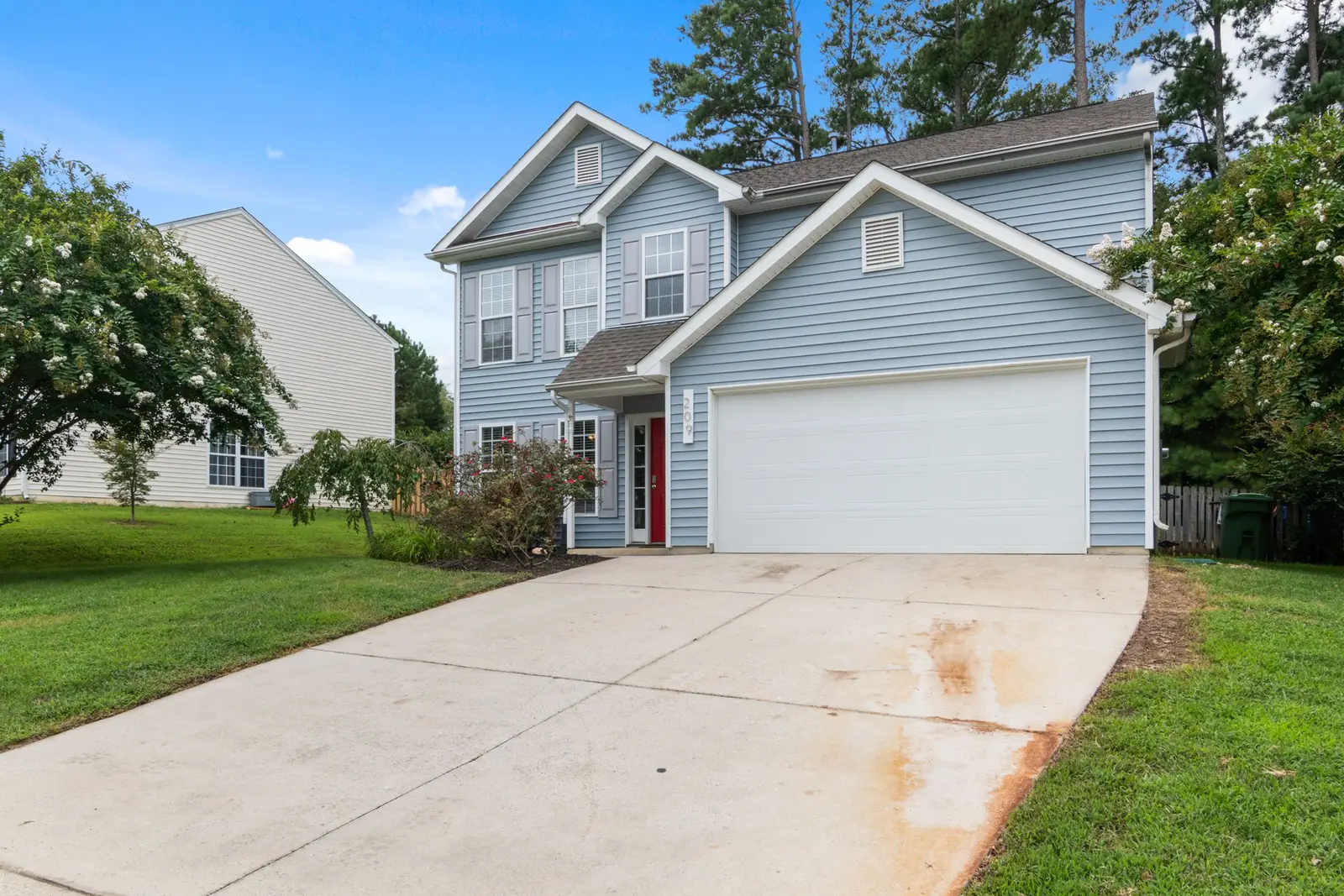
If you are selling a home in Cedar Hill, DeSoto, or Duncanville, a few targeted repairs and a clean reseal can change how the front of the house reads in listing photos. It costs far less than a new driveway and often clears an inspection note. Call (469) 402-4525 to set up a look.