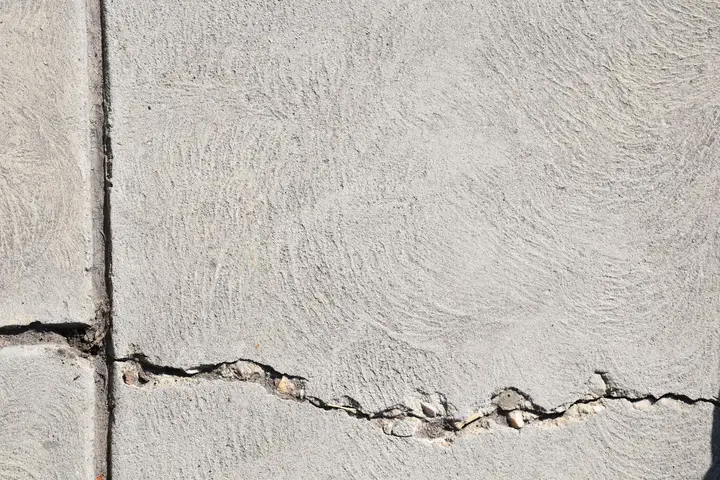
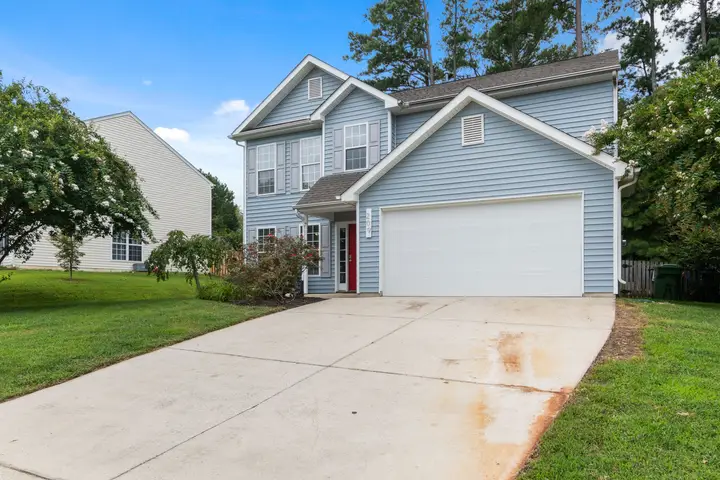
Our crew drills small holes in the low panel and pumps material underneath to raise it and fill the void. Sunken sidewalks, settled patios, driveway panels that dropped at the garage, and pool decks that tipped toward the water can all come back level in a few hours.
Why slabs sink in Cedar Hill
Here is why it happens so often here. Blackland clay shrinks and pulls away from the bottom of a slab in a long drought, leaving a hollow. Water from a downspout or a leaky gutter washes fine soil out from under an edge. Fill dirt around newer homes and pools settles for years after it is placed. On sloped lots near the escarpment, soil slowly creeps downhill and takes the slab with it.
The result is a panel that dropped an inch or two, tilts toward the house, or rocks underfoot. That is a trip hazard, and a patio that slopes back toward the foundation sends rain right where you do not want it. Leveling fixes both problems for a fraction of replacement. It also keeps your existing concrete, so there is no tear-out, no haul-off, and no color mismatch between old and new panels.
Mudjacking versus polyurethane foam
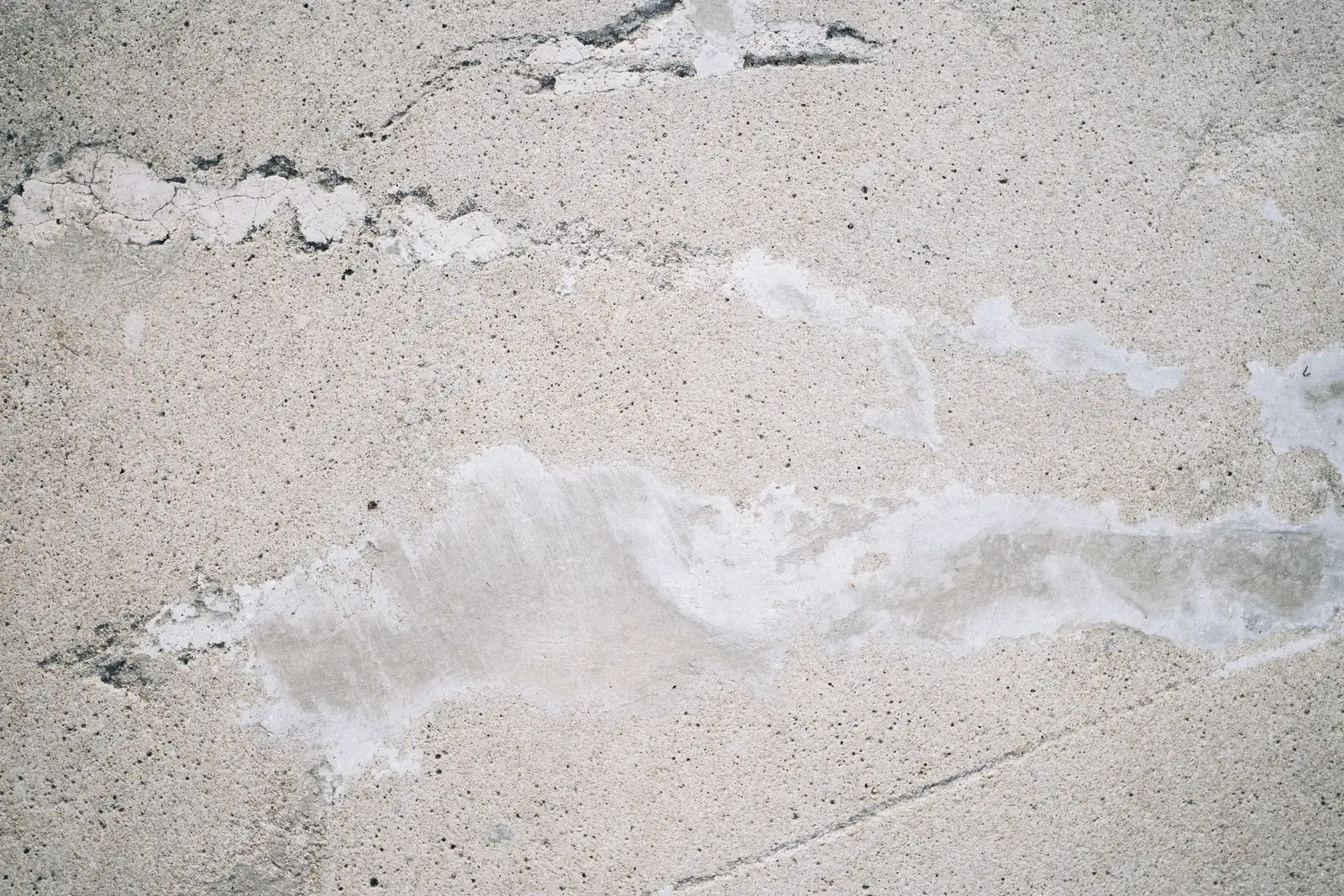
Mudjacking, also called slabjacking, pumps a cement and soil slurry through holes about an inch and a half across. It is the older method, it costs less, and it works well on larger voids. The slurry is heavy, though, which can add weight to soft soil, and the holes are bigger to patch.
Polyurethane foam leveling uses holes about the size of a nickel. The foam expands under the slab, lifts it with precise control, and cures in minutes, so you can often walk or park on it the same day. It weighs very little and resists water, which suits our clay. It costs more per job, but many homeowners think the cleaner result is worth it. Our crew can price both methods on the same visit so you can compare.
What leveling can and cannot fix
Leveling works when the slab is still in one or a few solid pieces. The crew can close a step at a joint, bring a tilted panel back to proper slope, and fill the hollow so it does not drop again soon. They also seal the joints afterward so water stops getting underneath, which is the real cause in most cases.
It is not the answer for concrete that is crumbling, broken into many pieces, or heaved up by roots. Leveling also does not fix a house foundation; that is a job for a foundation repair specialist. Next steps: have the crew check each slab and tell you which panels lift and which need replacement. Many jobs end up as a mix of both, which still costs far less than redoing everything.
Stopping the slab from sinking again
Lifting the slab is only half the job. If the cause stays, it will sink again. The crew looks at where water goes: downspouts dumping at the edge, sprinklers soaking the same spot, or a yard that slopes back toward the patio. Downspout extensions, a regrade, or a small drain can stop the washout for good.
Joints and cracks are the next leak. After lifting, the crew fills the joint between the slab and the house, and between panels, with a flexible sealant. That keeps rain from running under the concrete and softening the clay. It is a small step that does a lot on Cedar Hill soil.
Pool decks around homes near Joe Pool Lake and the escarpment see extra settling because backfill around the pool shell never fully compacts. Foam leveling suits those decks well because it is light and does not add weight to soft fill. Next steps: book a look, and get both a leveling and a replacement price to compare.